

Description
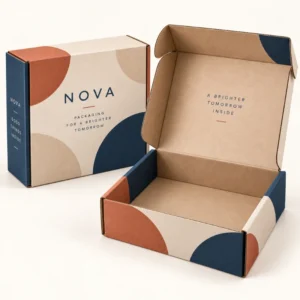
Cardboard Mailer Boxes are die-cut mailing cartons made to hold products securely during ecommerce, postal and courier delivery. In UK packaging, the term usually refers to corrugated cardboard mailers with a hinged lid and locking side panels. Businesses can customise the size, board, print and internal fit to suit products, packing routines and presentation goals.
Why Cardboard Mailer Boxes Suit Ecommerce Fulfilment
A mailer box combines the outer shipping pack with a more presentation-led opening format. Unlike a regular slotted shipping case, it usually opens from a hinged lid and folds into shape from one die-cut blank. As a result, the customer can access the product without cutting through several taped top flaps.
The structure also supports efficient packing. Teams can store many designs flat, erect them at the bench and load products from the top. In addition, a close internal fit can reduce product movement and limit unnecessary void fill.
However, the box still has to survive the actual delivery route. Product weight, fragility, size and handling conditions all affect the correct board specification. Therefore, businesses should choose the mailer around the packed product rather than select a box by appearance alone.
Practical Features That Improve Packing and Presentation
Cardboard Mailer Boxes offer several useful features when the structure matches the job:
- Hinged-lid opening: the lid creates a clear opening surface and gives brands useful space for exterior or interior print.
- Locking side panels: folded side sections help the erected carton keep its shape without relying on a conventional four-flap top.
- Custom internal dimensions: a closer fit can reduce unwanted movement and make inserts or tissue easier to position.
- Flat-packed supply: many die-cut mailers store flat before assembly, which can help warehouses use space more efficiently.
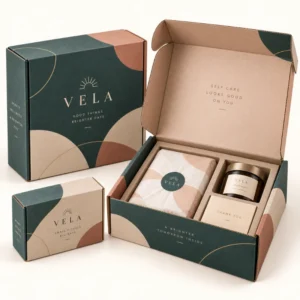
- Optional inserts or dividers: fitted components can separate several items or hold one product in a defined position.
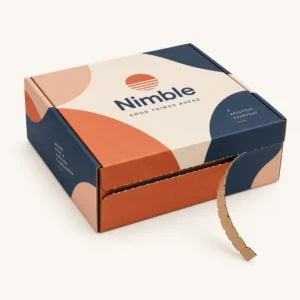
- Optional tear or seal features: selected structures can add easy-open or self-seal functions where the dieline supports them.
Each feature should solve a practical need. For example, an insert makes sense when it controls movement or organises several products. It adds little value if the product already fits safely inside the carton.
Which Cardboard Construction Works Best?
Most ecommerce Cardboard Mailer Boxes use corrugated board. Corrugated material combines flat liner papers with a fluted inner medium, which gives the sheet more rigidity than each paper layer provides on its own. Single wall board uses one fluted layer between two liners and suits many routine mailer applications.
The flute profile influences board depth, stiffness and surface appearance. Finer flute profiles can work well for compact mailer formats because they create a relatively neat edge while still providing corrugated structure. However, the correct flute and board grade depend on the packed product.
Brown kraft-style outer liners create a natural transit appearance. White outer liners give printed colours a different base and can suit artwork that needs a cleaner background. Still, liner colour does not define strength.
Mailer constructions can vary. A common format uses a hinged lid with roll-over or folded side walls and a tuck-front closure. Some designs follow recognised corrugated styles such as the FEFCO 0427 family. Even so, the exact dieline should reflect the required dimensions, board and closure method.
Custom Sizes, Inserts and Structural Options
Custom sizing starts with the product, not the outside appearance of the box. Measure the internal length, width and depth required for the packed item. Then allow space for tissue, protective pads, inserts or other components.
A close fit can make Cardboard Mailer Boxes feel more controlled once packed. It can also reduce the amount of loose filler required. However, too little clearance may create pressure around delicate corners or make packing slower.
Businesses can also specify structural details where they add value:
- corrugated or card inserts for product positioning;
- partitions for multi-item packs;
- dust flaps and locking tabs suited to the chosen mailer format;
- tear strips for a defined opening route;
- self-seal strips for selected ecommerce designs;
- interior print where the lid and base panels provide usable artwork space.
Free design support from Custom Postal Boxes can help at this stage. The artwork and dieline need to work together, so logos, copy and small details should avoid folds, slots, cut lines and closure areas.
Printing Cardboard Mailers for Ecommerce Brands
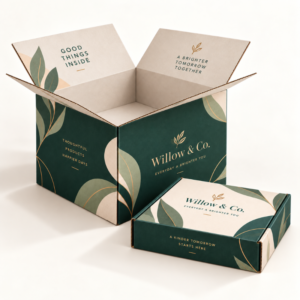
Printed Cardboard Mailer Boxes can carry branding before and after the customer opens the parcel. The lid often provides the largest exterior print area, while inside panels can hold instructions, campaign copy, product information or a short customer message.
Digital printing can suit detailed, short-to-medium-run or full-colour work on compatible board. Flexographic printing works well for simpler graphics, text and spot-colour applications. Meanwhile, lithographic printing can produce detailed graphics on a printed sheet that manufacturers laminate to corrugated board.
CMYK supports process-colour artwork, while Pantone references can help specify spot colours. The board surface still affects the result. Therefore, artwork that looks one way on a white liner may appear different on brown kraft-style board.
Presentation-led mailers can also use selected finishes such as matt or gloss lamination, varnish, foil, spot UV, embossing or debossing. However, not every finish suits every corrugated construction. The final specification should protect fold performance and keep functional areas clear.
Where Cardboard Mailer Packaging Makes Sense
Cardboard Mailer Boxes work particularly well for direct-to-consumer orders that need both transit protection and a tidy opening format. Common applications include:
- clothing, accessories and soft goods;
- books, stationery and printed products;
- subscription products and curated kits;
- boxed cosmetics, grooming products or candles with suitable internal protection;
- small homeware, craft products and lifestyle accessories;
- promotional packs, influencer mailings and product-launch kits.
The structure suits compact and medium-sized products that fit a shallow or moderate-depth carton. Heavy, dense or unusually fragile items may need stronger corrugated construction, more internal protection or a different shipping case.
Businesses that need a broader range of hinged ecommerce formats can compare custom mailer boxes. For heavier distribution work, corrugated boxes or custom shipping boxes may offer a more appropriate starting point. The product and delivery route should decide the structure.
Why Choose Custom Postal Boxes for Cardboard Mailers
Custom Postal Boxes manufactures packaging in-house. This keeps the agreed size, board choice, dieline and print requirements close to production. For a die-cut mailer, accurate folds and locking features matter because they affect erection, closure and product fit.
Free design support also helps businesses prepare artwork around the actual structure. Designers can account for panel direction, folds and visible areas before production starts. As a result, branding can follow the box rather than fight against it.
Once production finishes, fast and free UK delivery helps move the boxes into your packing operation. The exact manufacturing route still depends on dimensions, quantity, board, print coverage and structural options.
How to Order Custom Cardboard Mailer Boxes
A clear packaging brief helps define the box before production:
- Describe the product. Share its dimensions, packed weight, fragility and any areas that need extra protection.
- Provide internal box measurements. Include the space required for tissue, cushioning or inserts.
- Confirm the quantity. Order volume can influence the most practical print and manufacturing route.
- Choose the board and liner. Match the corrugated specification and outer surface to the delivery and print requirements.
- Select structural features. Confirm inserts, dividers, tear strips, self-seal elements or other relevant options.
- Share the artwork. Provide logos, colours, copy and any internal-print requirements.
- Review the quotation and layout. Check dimensions, board, print position and structural details before approval.
- Approve production. Manufacturing can then follow the agreed specification before UK delivery.
Frequently Asked Questions
What are Cardboard Mailer Boxes?
Cardboard Mailer Boxes are die-cut postal or courier cartons that usually use corrugated cardboard and a hinged-lid structure. Folded side walls and locking sections create the finished pack. Businesses use them for ecommerce orders, subscription packs and branded product deliveries where both protection and opening presentation matter.
Are cardboard mailer boxes the same as shipping boxes?
Not exactly. A mailer commonly uses a hinged lid and die-cut locking panels, while a conventional shipping case often uses top and bottom flaps that need tape. Both can use corrugated cardboard. The better choice depends on the product, packing process and delivery conditions.
Can cardboard mailer boxes be made to custom sizes?
Yes. Custom dimensions can follow the product and any insert, tissue or protective material. A closer fit can reduce empty space and unwanted movement. For an accurate specification, provide the required internal length, width and depth rather than relying only on the product’s external measurements.
Can you print inside and outside a cardboard mailer?
Yes, suitable mailer constructions can support print on exterior and interior panels. The available method depends on board, artwork detail, colour requirements and production specification. Free design support can help position artwork correctly around folds, locking tabs and other structural areas.
Can cardboard mailers include inserts?
Yes. Corrugated or card inserts can organise products, separate multiple items or keep a product in a more stable position. The insert should match the exact product dimensions. Otherwise, poor fit can create movement even when the outer mailer size looks correct.
Are Cardboard Mailer Boxes suitable for ecommerce delivery?
Yes, when the board and dimensions match the shipment. Corrugated mailers suit many ecommerce products because the structure combines a shipping function with a direct opening format. Fragile or heavier products may still need stronger board, cushioning, inserts or a different carton style.
Can mailer boxes include tear strips or self-seal closures?
Yes, selected dielines can include tear-open or self-seal features. A tear strip gives the recipient a defined opening path, while a self-seal strip can speed closure at the packing bench. Specify these features before production because they affect the box layout.
Request a Quote for Cardboard Mailer Boxes
Send Custom Postal Boxes your internal dimensions, quantity, product details and print requirements for a quotation. Include any inserts, tear strips, self-seal features or interior printing you need. We can then review the structure, board and artwork requirements before production.












Reviews
There are no reviews yet.