


Description
Self Seal Mailer Boxes combine a corrugated mailer structure with an integrated adhesive strip that closes the pack without separate packing tape. UK ecommerce, retail and fulfilment teams use them for fast dispatch, tidy presentation and repeatable packing. Custom sizing, print and optional opening or return features let the box follow the product and delivery process.
Why Self Seal Mailer Boxes Help Busy UK Fulfilment Teams
Every extra packing step matters when a team prepares many orders. Standard mailer boxes often need tape after loading, which adds another material and another action at the bench. A self-seal strip simplifies that stage because the packer removes the release liner, folds the closure into position and presses it down.
As a result, teams can keep the closing method consistent across repeat orders. The adhesive strip also creates a cleaner outer surface because the box does not need a separate tape line across the lid.
However, the seal only forms one part of Self Seal Mailer Boxes. Board grade, dimensions, internal protection and the box structure still need to match the product. Therefore, a well-planned self-seal mailer starts with the contents rather than the closure feature.
Practical Features That Make Self-Seal Mailers Useful
Self-seal packaging works best when each feature supports packing, transport or opening. Useful options include:
- Integrated peel-and-seal closure: a pre-applied adhesive strip removes the need to add separate tape to the main closure.
- Corrugated mailer construction: fluted board adds rigidity around the product while keeping the pack practical for ecommerce dispatch.
- Custom internal dimensions: a closer fit helps reduce movement and unnecessary void space.
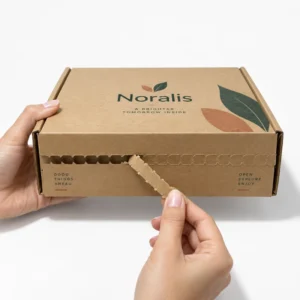
- Optional tear-open strip: selected dielines can give the customer a clear opening route without scissors or a knife.
- Optional second adhesive strip: a return-ready design can give the customer another seal after opening the original pack.
- Inside or outside print: artwork can support brand recognition, instructions, product information or campaign messaging.
Not every order needs every feature. For example, a business with very few returns may prefer a single adhesive strip. Meanwhile, a fashion retailer with regular customer returns may value a second seal.
Which Board and Structure Work Best?
Corrugated board suits many Self Seal Mailer Boxes because the fluted middle layer adds stiffness between the liners. A single-wall construction can handle many routine ecommerce products when the size, weight and delivery conditions remain moderate.
The flute profile affects board depth, stiffness and print surface. Fine flute profiles often suit compact mailer formats because they combine useful rigidity with a relatively neat profile. However, the right choice depends on the packed item rather than appearance alone.
Brown kraft-style liners create a natural postal look, while white outer liners give colour graphics a cleaner base. The liner colour does not determine structural performance, so buyers should review the whole board specification.
The mailer itself normally uses a die-cut blank with a hinged lid and folded side walls. The adhesive strip sits within the closure area. Because its position affects how the lid seals, the dieline needs enough room for both the adhesive and any printed artwork.
Custom Sizes, Tear Strips and Return Closures
Custom Self Seal Mailer Boxes work best when the size matches the packed product. Start with the product dimensions, then allow room for tissue, inserts, cushioning or other pack components. A box that is much too large can increase movement and filler use.
A tear strip serves a different purpose from the adhesive strip. The adhesive closes the parcel, while the tear strip helps the customer open it. Therefore, businesses should specify both features separately when they want a quick-close and easy-open pack.
For returns, a second adhesive strip can sit inside the box after the customer removes the first seal. This lets the recipient close the same pack again where the structure remains suitable for return use.
Custom Postal Boxes also provides free design support. The design stage can account for closure strips, tear lines, folds and visible print panels before production. As a result, key artwork can avoid areas where opening or sealing needs clear space.
Printing Self Seal Mailer Boxes
Printed Self Seal Mailer Boxes give ecommerce brands useful space on the lid, side walls and selected internal panels. A simple logo may be enough for a shipping-led design. In contrast, direct-to-consumer orders may use more detailed colour, instructions or inside print.
Digital printing can suit detailed or full-colour artwork on compatible corrugated materials. Flexographic printing often works well for simpler graphics, text and spot colours. Lithographic printing can also provide finer detail when a printed sheet forms part of a laminated corrugated construction.
CMYK supports process-colour artwork, while Pantone references help specify spot colours. However, brown and white liners can change how colours appear. Therefore, artwork preparation should consider the actual board surface.
Selected designs may also use varnish, lamination, foil, spot UV, embossing or debossing. Still, the finish should not interfere with score lines, adhesive areas or tear features. Practical closure and opening need priority.
Where Self-Seal Mailer Packaging Makes Sense
Self Seal Mailer Boxes suit products that fit comfortably inside a corrugated mailer and benefit from fast, repeatable closing. Relevant applications include:
- clothing, accessories and soft goods for ecommerce delivery;
- books, stationery and printed products;
- subscription kits with a consistent outer format;
- boxed grooming or skincare products with suitable internal protection;
- small homeware or lifestyle products that fit the chosen board grade;
- promotional packs and ecommerce bundles.
Fragile products may still need inserts or cushioning. In addition, dense items can place more stress on the base and side walls than their size suggests.
Businesses that need a simpler hinged format can compare custom mailer boxes. Corrugated boxes provide broader transit structures, while custom shipping boxes can suit heavier orders that need a more conventional shipping case.
Why Choose Custom Postal Boxes for Self-Seal Packaging
For Self Seal Mailer Boxes, in-house manufacturing keeps the agreed dimensions, corrugated specification, dieline and print requirements close to production. That matters because the closure area must align correctly with the finished lid.
Free design support can help prepare artwork around the actual box layout. For example, the design team can keep logos and small text away from folds, adhesive zones and tear lines.
After production, fast and free UK delivery helps move finished packaging into your fulfilment operation. The final production route still depends on size, quantity, board, print coverage and closure features.
How to Order Custom Self Seal Mailer Boxes
A clear brief helps define the right box before production:
- Describe the products. Share the main items, packed weight, fragility and any vulnerable areas.
- Provide internal dimensions. Include space for tissue, inserts, cushioning or other components.
- Confirm the quantity. This helps determine a suitable manufacturing and print route.
- Choose the board and liner. Match the corrugated specification to the product and delivery conditions.
- Select closure features. Confirm whether you need one self-seal strip, a tear strip or a second strip for returns.
- Share artwork. Provide logos, colours, copy and any inside-print requirements.
- Review the quotation and layout. Check dimensions, artwork position and closure areas before approval.
- Approve production. Manufacturing can then follow the agreed specification before UK delivery.
Frequently Asked Questions
What are Self Seal Mailer Boxes?
Self Seal Mailer Boxes are corrugated mailer-style cartons with an integrated adhesive closure. The packer removes the release liner, closes the lid and presses the adhesive area into place. This removes the need for separate tape on the main seal and can simplify repetitive ecommerce packing.
Do self-seal mailer boxes need packing tape?
Usually, the integrated adhesive strip handles the main closure, so the packer does not need separate tape across that seal. However, the complete packaging specification may still require other labels or security measures for a particular distribution process.
Can you add a tear strip to a self-seal mailer?
Yes, a suitable dieline can include a tear-open strip. The tear strip helps the recipient open the box, while the adhesive strip closes it before dispatch. Because the two features perform different jobs, include both requirements in the packaging brief.
Can Self Seal Mailer Boxes support customer returns?
Yes, selected designs can include a second adhesive strip for returns. The customer opens the original seal, removes the product, then uses the second strip to close the box again. The structure must remain suitable for reuse, so plan the return feature during box design.
Can I order custom sizes?
Yes. Custom internal dimensions can follow the product plus any tissue, cushioning or insert. A closer fit can reduce excess void space and help hold the contents more consistently. Provide the required length, width and depth when requesting a quotation.
Can you print inside and outside?
Yes, suitable self-seal mailer constructions can support external and internal artwork. The available print process depends on the board, colours, detail and order specification. Free design support can help position artwork around folds, adhesive zones and tear features.
Are self-seal mailers suitable for Royal Mail?
They can be, provided the finished parcel meets the current size, weight and service requirements for the chosen Royal Mail format. Measure the packed box rather than the flat blank, then check the Royal Mail size and weight guide before buying postage.
Request a Quote for Self Seal Mailer Boxes
Send Custom Postal Boxes your required internal dimensions, quantity, product details, print requirements and preferred closure features. If you need a tear strip or return seal, include that information from the start so the dieline, artwork and packing process can work together.














Reviews
There are no reviews yet.