Cardboard Boxes
Showing the single result
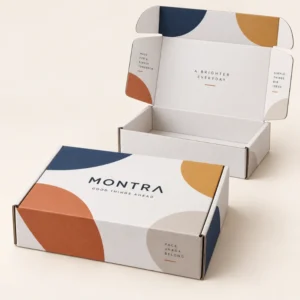
Custom Cardboard Boxes give UK businesses a flexible base for retail, ecommerce, storage and delivery packaging. This category covers folding card boxes, corrugated cardboard formats and other board-based structures that businesses can size, print and configure around the product. Compare board type, box construction, packed weight and presentation before choosing a format. A lighter retail carton needs something different from a courier-ready shipping box, so start with how the pack must perform rather than choosing cardboard by appearance alone.
Compare cardboard box styles by how you plan to use them
Cardboard packaging covers several constructions, so the right option depends on the job. Folding cartons suit many lighter retail products because paperboard creases cleanly and offers a smooth print surface. Corrugated cardboard adds a fluted layer between liners, which gives mailer and shipping formats more structural support.
Cardboard packaging can also include sleeves, inserts or dividers when the structure calls for them. Each feature changes how the pack assembles and protects the item. For a postal-style hinged box, compare Custom Mailer Boxes. For heavier transit use, Custom Shipping Boxes may suit the job better.
Which cardboard box should you choose?
Start with internal dimensions. Measure the product after adding any wrap, insert, divider or cushioning that will sit inside the pack. A close fit can reduce movement, while too little clearance may slow packing or put pressure on the product.
Next, consider packed weight and fragility. Lightweight goods may work well in folding paperboard, while courier parcels often need corrugated construction. Larger or heavier products usually require more structural support than small retail packs.
Also consider storage and assembly. Flat-packed cartons save space before use, while closures affect packing speed. Therefore, Custom Cardboard Boxes should match both the product and the fulfilment process.
Board choice affects strength, print and presentation
Folding paperboard suits cartons, sleeves and other lightweight structures. Kraft board gives packaging a natural brown surface, while white board provides a brighter base for colour printing.
Corrugated cardboard combines outer liners with fluting. That structure helps boxes resist handling and stacking forces, so businesses often choose it for ecommerce, postal and shipping packs. The exact specification should reflect box dimensions, packed weight and delivery conditions.
Cardboard Boxes sit within the broader Packaging Materials section, where businesses can compare board families before choosing a finished structure. This distinction matters because the material and box style work together.
Custom sizing and internal protection
Custom sizing lets a business build packaging around the actual product instead of forcing it into a stock carton. For repeat orders, that can make packing more consistent.
Custom Cardboard Boxes may also use dividers, pads or fitted inserts where the contents need separation or extra support. For example, a multi-item set can use partitions to stop products knocking together. A simple lightweight item may need no insert at all.
Closures also vary. Tuck ends suit many folding cartons, while self-locking sections work with selected die-cut formats. Shipping cartons often use taped flaps. Choose each structural feature because it solves a real packing need.
Printing Custom Cardboard Boxes for brand and product information
Printing turns the box into a surface for branding, instructions, product details or handling information. CMYK works well for full-colour artwork, while Pantone spot colours can support specific brand shades where the production method allows them.
Digital printing can suit detailed designs and shorter quantities. Flexographic printing often works well for simpler corrugated graphics, especially where the artwork uses fewer colours. Lithographic printing can support fine detail on suitable board or printed liners.
For Custom Cardboard Boxes, finishes depend on the surface and construction. Matt or gloss lamination can suit coated folding board, while foil, spot UV, embossing or debossing may work on compatible packs. Use finishing only where it supports the design and board.
Where cardboard packaging works well
Retail businesses often use folding cartons for items that need clean print and compact shelf presentation. Ecommerce operations use corrugated cardboard where parcels need more protection during handling. Books, clothing, homeware and boxed sets can also suit cardboard formats.
The material should follow the route to the customer. A box that travels through a courier network faces different demands from one that moves from a stockroom to a retail shelf. As a result, Custom Cardboard Boxes work best when the structure reflects real storage, packing and delivery conditions.
Businesses that supply packaged goods may also need to understand extended producer responsibility for packaging under current UK rules.
Why businesses choose Custom Postal Boxes
Custom Postal Boxes uses in-house manufacturing to coordinate dimensions, board choice, structure and print. This keeps product fit and artwork decisions connected during production.
Free design support can help with dielines, artwork placement and preparing branding for print. After production, fast and free UK delivery helps businesses move finished packaging into fulfilment.
How to request a cardboard box quotation
- Explain what the box needs to hold and how you will use it.
- Provide product or packed dimensions.
- Share the approximate packed weight and quantity.
- Choose a box style or describe the required opening and closure.
- Discuss paperboard, kraft or corrugated construction.
- Explain any insert, divider or cushioning requirement.
- Confirm print colours, coverage and any compatible finish.
- Supply artwork or use free design support.
- Review the quotation and final specification.
- Check and approve the proof.
- Manufacturing starts after approval.
- The completed order moves to UK delivery.
Frequently asked questions
What are Custom Cardboard Boxes?
Custom Cardboard Boxes are packaging formats made around a chosen size, structure, board and print requirement. The category can include folding cartons and corrugated formats rather than one single box type. To choose well, start with the product dimensions, packed weight, fragility, delivery route and presentation requirement.
What type of cardboard is best for product boxes?
The best board depends on the product and box structure. Folding paperboard can suit lighter retail cartons, while corrugated cardboard provides more structural support for postal and shipping use. Kraft or white-facing surfaces can also affect appearance and print. Choose the board after you define how the finished pack must perform.
Can cardboard boxes be made to custom sizes?
Yes. Custom dimensions let the box follow the packed product, including any insert, divider or cushioning. Accurate sizing can reduce unwanted movement and make repeat packing more consistent. However, you should measure the complete packed arrangement rather than the bare product alone before approving the dimensions.
Can you print cardboard boxes inside and outside?
Yes, on suitable constructions and board types. Printers can apply branding or information to external panels and, where the format allows, internal surfaces as well. The best print method depends on the substrate, artwork, quantity and coverage. Confirm those details before finalising the design.
Are corrugated cardboard boxes different from folding cartons?
Yes. Corrugated board contains a fluted layer between liners, while folding cartons usually use non-corrugated paperboard. Corrugated structures generally provide more support for handling and delivery. Folding cartons often suit lighter retail packaging where compact form and detailed print matter more.
Do Custom Cardboard Boxes need inserts?
Not always. Use inserts when they improve protection, positioning or presentation. A fragile set of products may need partitions, while a simple garment or lightweight item may not. The insert should match the product shape, weight and box construction instead of acting as a decorative extra.
What details do I need for a cardboard box quote?
Start with the product dimensions, packed size if known, approximate weight, quantity and intended use. Then add your preferred structure, board, print requirements and artwork status. If you have not chosen every detail, explain how the box will be packed, stored and delivered so the specification can develop from real requirements.
Request a quote for Custom Cardboard Boxes
Browse the available cardboard packaging directions, then send Custom Postal Boxes your dimensions, quantity, packed weight and print brief. If you are unsure about board or structure, explain how the box will travel and what it must protect. That gives the team a practical basis for discussing the right cardboard format before quotation.