Postal Boxes by Size
Showing all 5 results
-
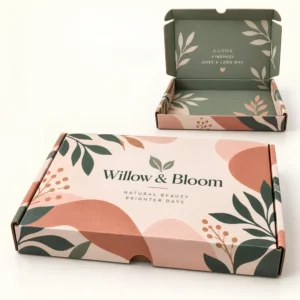
A5 Postal Boxes
Get a Quote -
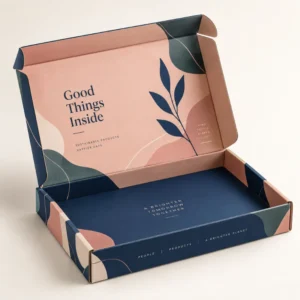
C4 Postal Boxes
Get a Quote -
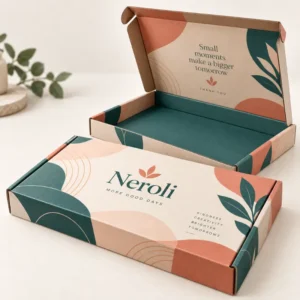
Large Letter Postal Boxes
Get a Quote -
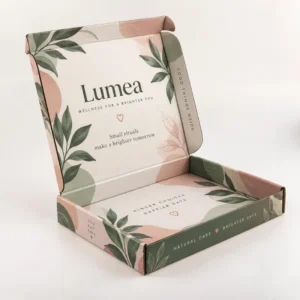
Letterbox Postal Boxes
Get a Quote -
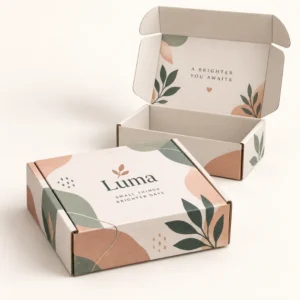
Small Postage Boxes
Get a Quote
Browse Postal Boxes by Size to match packaging more closely to your products, packing method and delivery requirements. This category helps businesses compare compact, A5, A4, letterbox-friendly and larger postal formats without treating every order the same. Start with the product dimensions, then allow space for inserts or protective packing. You can also compare board construction, print coverage and closure style before requesting a custom specification. Choosing by size makes it easier to control internal movement and select a box that works with your fulfilment process.
Find the right postal box size for the product
Postal box sizing starts with what goes inside. Small accessories need less space than clothing, books or multi-item orders. Therefore, measure the product first rather than choosing from a box name alone.
Size-led ranges often use terms such as A5, A4, letterbox, large letter or parcel formats. However, those labels do not always describe identical internal dimensions. A5 and A4 usually describe the type of item the pack can accommodate, while postal service bands refer to the finished parcel dimensions and weight.
If the product needs a self-closing ecommerce format, compare Custom Mailer Boxes. For larger transport-focused packs, Custom Shipping Boxes may suit the journey better.
A4, A5 and letterbox-friendly formats
A5 postal boxes can work for smaller documents, stationery and compact ecommerce goods. A4 postal boxes provide more footprint for books, clothing and wider product sets. Depth matters as much as length and width.
Letterbox-friendly packaging focuses on a slim profile. Some buyers also look for large letter postal boxes when they want to keep a parcel within the relevant Royal Mail format. However, the finished packed item, not the empty box name, determines whether it meets a postal size band.
Larger postal boxes provide more depth for bulkier goods. As a result, compare the packed dimensions with the carrier service you plan to use.
How to measure before choosing a size
Measure the product at its widest, longest and highest points. Then add space for tissue, cushioning, inserts or dividers. If several products share one box, measure the complete arrangement.
Avoid excessive clearance. Too much empty space can allow movement, while too little can slow packing or press against the contents. Therefore, balance protection with practical assembly.
Also check internal and external dimensions. Internal measurements describe usable product space. External measurements matter for postage and courier limits.
Board and structure affect usable space
Postal boxes commonly use corrugated board because its fluted construction gives useful rigidity during handling. Meanwhile, kraft or white outer liners can change the surface appearance, while the board construction should reflect the product weight and journey.
Die-cut mailers often use hinged lids, tuck fronts and locking tabs. Other shipping formats may use taped flaps or different closures. These details affect the final external size, so similar internal capacities can produce different outside measurements.
Buyers comparing wider material families can browse Packaging Materials. Cardboard Boxes may also help where another carton or board format fits the product better.
Custom sizing, inserts and closures
Within Postal Boxes by Size, standard labels help with browsing, but custom sizing works better when a common format leaves too much room. It also helps with unusual dimensions or sets that need a shaped insert.
Inserts can hold an item in position, while dividers separate several products. Some mailer structures can also use peel-and-seal closures or tear strips where the design supports them.
In addition, free design support can help organise the dieline and artwork after you confirm dimensions, including how graphics sit across folds and closing panels.
Printing options for postal packaging
When comparing Postal Boxes by Size, printed formats can carry logos, patterns and full-colour artwork. Digital printing can suit detailed work, while flexographic printing often suits direct print on corrugated board. Lithographic print can support detailed graphics on a suitable liner.
CMYK supports full-colour artwork, while Pantone spot colours can help with specific brand colours. However, the board surface influences the final appearance, particularly on natural kraft liners.
Finishes such as varnish or lamination may suit selected printed surfaces. Foil or spot UV depends on the material and construction, so confirm the box size and board before choosing decorative effects.
Compare Postal Boxes by Size for different products
For example, small postal boxes suit compact products that need controlled internal space. A5 and similar formats can work for stationery, printed materials, accessories and smaller ecommerce orders. A4 formats provide more area for larger flat products, folded clothing, books or product sets.
Slim large-letter formats can suit flatter items if the complete parcel stays within carrier limits. Deeper boxes make more sense for bulkier goods.
Fragility matters too. A small fragile item may need a larger outer box if cushioning takes up space. Therefore, size should follow the complete packed requirement, not the product footprint alone.
Why order from Custom Postal Boxes?
In-house manufacturing helps coordinate dimensions, structure, print position and insert requirements within one specification. On a size-led order, small changes to depth or closure can affect internal fit and external dimensions.
Free design support can help prepare artwork around the approved dieline. Once production finishes, fast and free UK delivery supports the final stage of the order.
How to request a quotation
- Measure the product or complete product set.
- Tell us how you plan to use and ship the box.
- Share the required internal dimensions if you know them.
- Confirm the quantity.
- Choose a postal box style or preferred opening.
- Add any insert, divider or protective packing requirements.
- Share board, colour and print preferences.
- Provide artwork or brand files where available.
- Review the quotation, dimensions and specification.
- Check and approve the artwork proof.
- Confirm the order for manufacturing and UK delivery.
Frequently asked questions
How do I choose the right postal box size?
Start with the product’s complete packed dimensions. Measure the item, then include any insert, wrapping or cushioning. Choose enough clearance for easy packing without leaving unnecessary empty space. Finally, compare the finished external dimensions and weight with your chosen postal or courier service requirements.
What is the difference between A4 and A5 postal boxes?
A4 postal boxes provide a larger footprint than A5 formats and generally suit larger documents, books, clothing or wider product sets. A5 formats suit smaller printed materials and compact goods. However, exact dimensions and depths vary, so always check the measurements rather than relying only on the A4 or A5 label.
Does an A4 or A5 box automatically qualify as a Royal Mail Large Letter?
No. A4 or A5 mainly describes the useful footprint. Royal Mail applies separate limits to the complete packed item’s length, width, thickness and weight. Check the final parcel against the current Royal Mail size and weight guide before choosing a postage service.
What affects whether a box meets a postal size band?
The finished parcel dimensions and weight matter, not just the box name. Product contents, inserts, cushioning and the board structure can all change the final pack. Therefore, measure and weigh the complete parcel before selecting the postal service you intend to use.
Can Postal Boxes by Size include custom dimensions?
Yes. Custom dimensions can help when common A-series or stock-style formats leave too much room or do not fit correctly. Provide the internal dimensions you need, or share the product measurements and packing layout. Include inserts, cushioning and dividers in the sizing brief from the start.
Can different postal box sizes carry printed branding?
Yes. Suitable structures can carry logos, text, patterns or full-colour artwork. The print process depends on the board, design, quantity and coverage. Confirm dimensions and structure first because panel sizes, folds and closures determine the available print areas.
Should I choose the smallest box that fits my product?
Usually, but not automatically. A closer fit can reduce unnecessary movement and empty space. However, fragile products may need room for cushioning, while multi-item orders may need inserts or dividers. Choose the smallest practical size that still allows safe packing, easy assembly and suitable protection.
Browse Postal Boxes by Size
Browse Postal Boxes by Size to compare compact, A5, A4, letterbox-friendly and larger formats before requesting a quotation. Start with the packed product measurements and intended delivery method. From there, choose the structure, board, printing and internal fit that best support your packing process.