Description
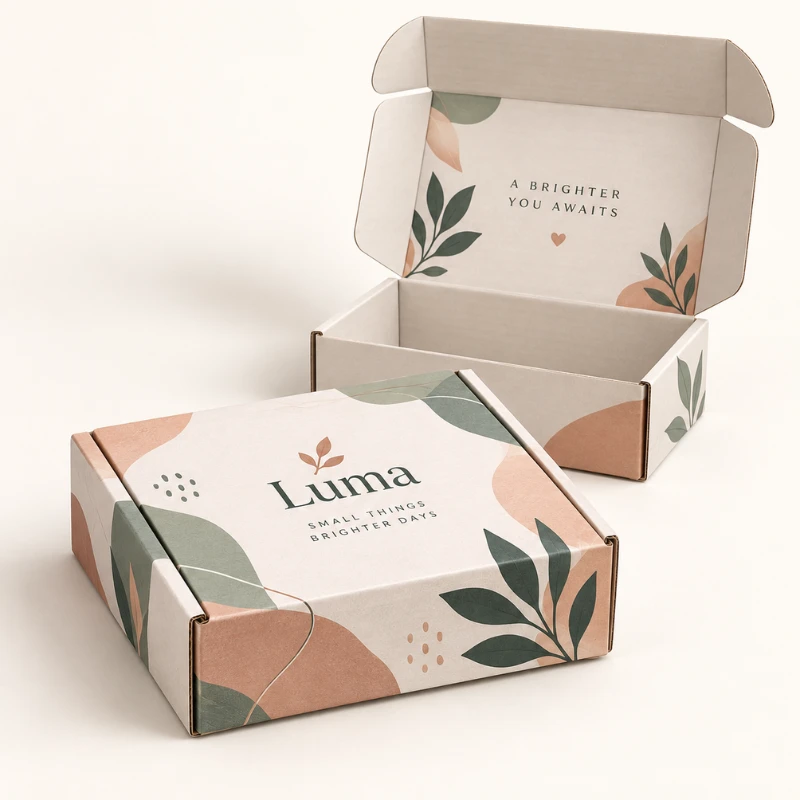
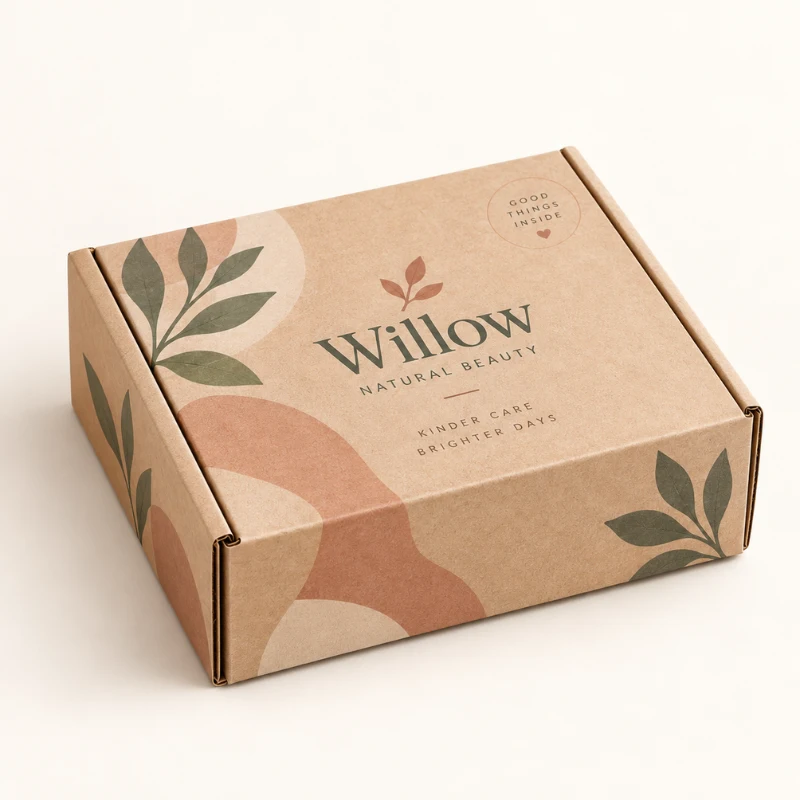
Small Postage Boxes are compact mailing cartons made for products that need more protection than an envelope or mailing bag. They suit UK ecommerce orders, samples, stationery, accessories and other smaller items where a closer fit can reduce movement, limit wasted space and give the parcel a neater presentation during delivery.
Why Small Postage Boxes make sense for smaller products
A small product does not always need a large shipping carton. Extra room can let the contents slide around, so the pack may need more filler than necessary. A box that follows the product more closely can make packing simpler and help keep the item stable.
Size also affects postage. Royal Mail Small Parcel limits currently allow up to 45 cm × 35 cm × 16 cm and 2 kg. However, check the finished external dimensions after packing because inserts and cushioning affect the final parcel.
For businesses sending several compact formats, the Postal Boxes by Size range gives a useful way to compare footprints. A5 Postal Boxes can also suit notebooks, prints and other items built around an A5-style footprint.
What matters most in a small postal box?
The first job of a postage box is to keep the product contained and supported during normal handling. For small items, that usually means controlling empty space rather than choosing the thickest possible board.
Useful features include:
- A closer internal fit: Less unused room can reduce product movement and may cut the amount of loose fill needed.
- A corrugated structure: The fluted layer adds stiffness and helps the box handle everyday knocks and stacking pressure.
- A secure closure: Tuck-in panels or locking tabs help keep the pack closed while allowing quick assembly.
- Optional internal support: Inserts or dividers can separate parts or hold a product in place.
A compact box should also be quick to fold and close during repeated packing.
Which material works best for Small Postal Boxes?
Corrugated cardboard is usually the most useful material for small boxes travelling through postal or courier networks. Its fluted centre sits between liner papers, creating a light structure with more rigidity than a flat sheet.
Single-wall board works well for many lightweight products. Fine-flute corrugated constructions can also suit small mailer-style packs because they keep the profile compact while providing useful protection. However, heavier or fragile contents may need a stronger board specification or extra internal support.
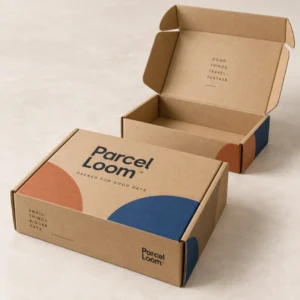
The outer liner affects appearance and print. For example, Kraft gives a natural brown surface that suits simple artwork. A white liner provides a brighter base for detailed colour printing. Buyers comparing broader material options can also review Corrugated Boxes when board strength is a key part of the specification.
Material choice should follow the product. A delicate component may need cushioning or a fitted insert.
Custom sizing, closures and internal fit
“Small” is not a technical size. One business may call a 100 mm box small, while another may use the same term for a carton close to the Royal Mail Small Parcel limit. Custom production allows the internal dimensions to follow the actual product instead of forcing it into a stock size.
Useful options can include:
- custom length, width and depth;
- tuck-front or locking mailer closures;
- self-seal strips where suitable;
- tear strips for easier opening;
- cardboard inserts or dividers;
- internal or external print areas.
An insert makes sense when the product needs positioning. For example, a set of small parts can sit in separate sections instead of moving together in transit. However, inserts are not necessary for every order. A well-sized outer box may already provide enough control for a non-fragile product.
Printing and finishing a compact postal box
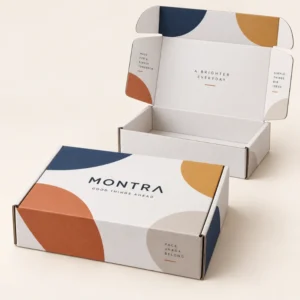
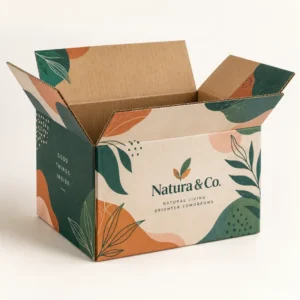
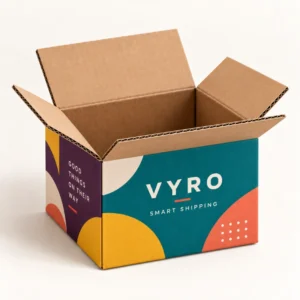
Small boxes have limited panel space, so clear artwork usually works better than an overcrowded design. A logo, brand colour and short message can often do more than filling every surface with text.
For example, digital printing can suit shorter custom runs and artwork with several colours or fine detail. Flexographic printing can work well for simpler designs on corrugated board. Litho-lamination may suit projects that need a smoother printed surface or finer graphics.
Also, CMYK works for full-colour artwork. Pantone references can help when a brand colour needs closer control. Inside printing can also add a short message beneath the lid.
In addition, finishes should fit the board and purpose. Matt or gloss lamination can change the surface appearance. Foil, spot UV, embossing or debossing may suit presentation-led projects, although some effects work better on smoother printed surfaces.
Free design support helps buyers check artwork position around folds, locking areas and trim lines before manufacturing begins. That matters on a small box because even a minor placement error can make the design feel cramped.
Where small postal boxes work best
Small postal boxes suit products that need a rigid outer pack but do not need a large shipping carton. Typical uses include:
- notebooks, card sets and small printed items;
- jewellery packs and fashion accessories;
- craft components and hobby supplies;
- cables, adaptors and compact technology accessories;
- sample kits and promotional packs;
- socks, ties and other compact textile products.
However, the product still decides the final construction. A cable set may need a simple divider, while a notebook may only need a close-fitting box. Meanwhile, a fragile container may require cushioning or a fitted insert.
Custom Mailer Boxes can also be useful when a hinged-lid presentation and branded opening experience matter more than a plain shipping-carton format.
Why order from Custom Postal Boxes?
In-house manufacturing gives Custom Postal Boxes direct control over the approved dimensions, structure and print specification during production. This is useful for smaller packs because a small change in depth or internal clearance can noticeably affect fit.
Also, free design support helps buyers check how artwork sits around folds, tabs and printable panels before production.
Once production is complete, fast and free UK delivery supports the final stage of the order. Exact production timing depends on quantity, print method, finishing and the agreed specification.
How to order custom Small Postage Boxes
- Measure the product: Record the product length, width and depth, including any protective wrap.
- Confirm the quantity: Order volume helps determine a suitable manufacturing and printing route.
- Explain the delivery method: Mention any postal size limit or courier requirement.
- Choose the board: Select the corrugated structure and liner according to weight, protection and print needs.
- Add structural features: Confirm inserts, dividers, self-seal strips or tear strips where useful.
- Share the artwork: Supply logos, colours and any inside or outside print requirements.
- Review the quotation and proof: Check dimensions, board, print and finish before approval.
- Approve production: Manufacturing can begin once the specification and artwork are confirmed.
- Receive the order: The completed boxes move to UK delivery after production.
Frequently asked questions
What size should a small postage box be?
There is no single correct size. Start with the product dimensions, then allow only the space needed for wrapping, cushioning or an insert. A closer fit can reduce movement and unnecessary filler. If a postal size band matters, also check the finished external dimensions.
Are Small Postage Boxes suitable for ecommerce orders?
Yes. They work well for compact ecommerce products that need more structure than a mailing bag or envelope. The right box should match the product weight, shape and fragility. A delicate product may also need an insert or cushioning.
Can you make Small Postage Boxes to custom dimensions?
Yes. Custom dimensions can follow the packed product more closely than a standard stock carton. Share the product size plus any insert, wrapping or grouped components when requesting a quotation. This helps avoid excessive empty space.
Can I print my logo on small postal boxes?
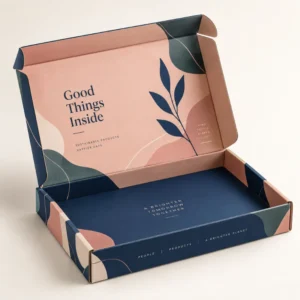
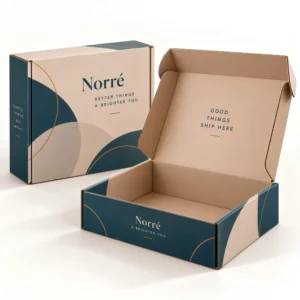
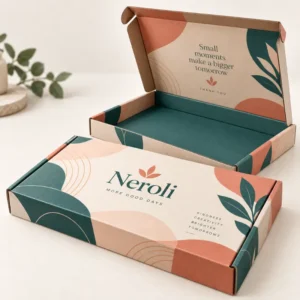
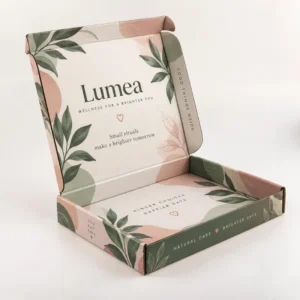
Yes. Suitable box surfaces can carry a logo, brand colours, product information or other artwork. You can also discuss inside printing if the chosen structure supports it. On a smaller box, simple artwork often reads more clearly.
Do I need an insert inside a small postage box?
Not always. A well-sized box can hold many non-fragile items securely without an insert. However, inserts help when you need to position one product, separate components or create a more organised presentation. Plan the insert and outer box together.
Is Kraft or white board better for printed small boxes?
Both can work well. Kraft gives a natural brown appearance and suits simple graphics, while a white liner gives colour artwork a brighter base. Protection should come first, so choose the board structure for the product before deciding on appearance.
What information should I provide for a quotation?
Send the product dimensions, quantity, box style, print requirements and any inserts or finishes you need. Also mention how you plan to send the parcel if a postal size limit matters. If you are unsure about material or artwork, include the product type.
Request a quote for Small Postage Boxes
Share your product dimensions, quantity, print requirements and any closure or insert details with Custom Postal Boxes. The team can then prepare a specification around the packed item, check the artwork and quote for a box that fits the product and the way you plan to send it.








Reviews
There are no reviews yet.