
Description
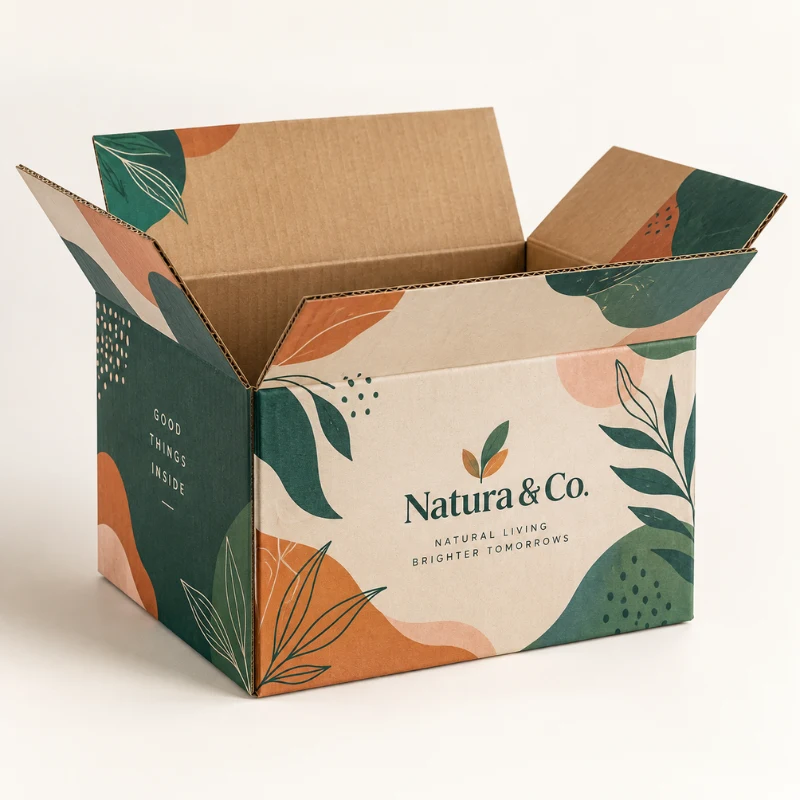
Single Wall Corrugated Boxes use one fluted paper layer between two flat liners to create lightweight, protective transit packaging. UK businesses use them for ecommerce orders, retail goods, warehouse packing and general distribution where double-wall strength is unnecessary. Their main advantage is efficient protection without adding avoidable board weight, bulk or packing complexity.
Why Single Wall Corrugated Boxes Work for Everyday UK Dispatch
For routine shipments, the box needs enough rigidity to protect the contents without using more material than the job requires. Single wall corrugated board provides that balance. The fluted centre helps resist compression and knocks, while the inner and outer liners create practical surfaces for packing, labelling and print.
Custom sizing can also reduce empty space and limit product movement. As a result, businesses may need less void fill and can create a neater parcel. However, the correct board grade must match the product weight, fragility, dimensions, stacking conditions and journey.
Practical Features That Matter During Packing and Transit
The value of a single wall box comes from how its structure works in daily packing and distribution.
- One corrugated flute between two liners: the flute adds rigidity and cushioning while keeping the board lighter than double-wall construction.
- Custom dimensions: right-sized packaging can reduce internal movement, excess void fill and wasted transport space.
- Flat supply format: many corrugated case styles store flat before use, helping businesses manage packaging stock efficiently.
- Printable outer surfaces: the chosen print process can add branding, barcodes and handling information when the board suits the artwork.
- Flexible case formats: standard slotted cartons, die-cut cases and other constructions can suit different packing methods.
Because the structure remains relatively light, staff can handle empty boxes easily at packing stations. In addition, the simple build works for plain dispatch packaging and branded ecommerce presentation.
Board Construction, Liners and Flute Choice
Single wall corrugated board has three paper components: an outer liner, a fluted medium and an inner liner. The flute forms the wave-shaped centre layer and contributes much of the board’s stiffness.
Different flute profiles suit different priorities. For example, E flute has a finer profile and can support detailed presentation work. B flute often suits general packaging where rigidity and resistance to knocks matter. C flute has a deeper profile where cushioning or stacking performance may matter more. The best option depends on the finished box and supply chain.
Brown kraft-style liners create a natural corrugated appearance, while white outer liners provide a cleaner print surface. Other paper combinations may also be available according to the required board grade. Therefore, buyers should judge the complete specification rather than choosing by colour alone.
A regular slotted case is common for shipping cartons, although single wall corrugated boxes can use many structures. FEFCO box styles provide a useful reference for recognised corrugated constructions. If the contents are heavier, unusually fragile or exposed to demanding stacking, double wall corrugated boxes may suit the job better.
Custom Sizes and Structural Options
Customisation should start with the packed product rather than the artwork. Length, width and depth affect board use, internal movement, pallet efficiency and courier compatibility. Accurate internal dimensions therefore matter when requesting a quotation.
Depending on the use, options can include different flap arrangements, die-cut openings, hand holes, partitions or corrugated inserts. Not every feature belongs on every box, so the structure should solve a real packing or handling need.
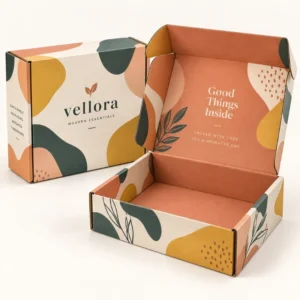
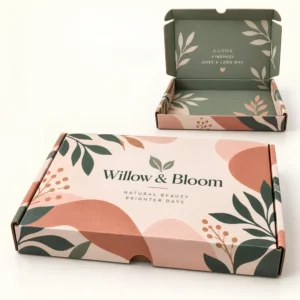
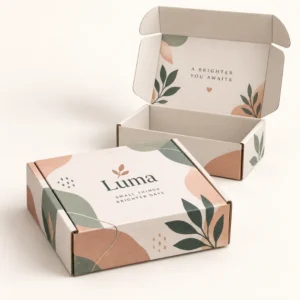
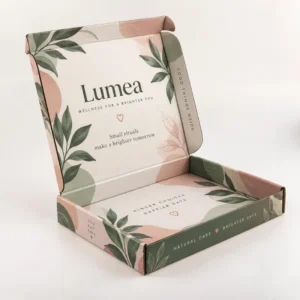
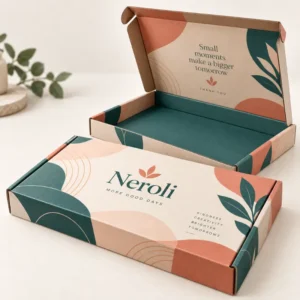
For ecommerce presentation, some businesses may prefer corrugated mailer boxes with a hinged lid and locking side walls. By contrast, a conventional shipping case can suit bulk dispatch, warehouse packing or products that use tape closure.
Custom Postal Boxes also offers free design support. This can help buyers prepare artwork around cut lines, print areas, folds and panel orientation before production.
Printing and Finishing for Corrugated Board
Printing can turn a plain transit carton into branded shipping packaging, but the method should suit the board surface, artwork and quantity. Common options include flexographic, digital and lithographic processes.
Flexographic printing works well for straightforward logos, handling marks and limited-colour graphics on corrugated board. Digital printing can provide flexibility for full-colour designs and shorter custom runs in suitable setups. For detailed presentation, converters can print a sheet lithographically and laminate it to corrugated board.
CMYK supports full-colour artwork, while Pantone references can help control spot colours. However, liner colour, paper surface and print process can affect the finished result. Brown kraft, for example, influences colour differently from a white print surface.
Finishes such as varnish, lamination, foil, spot UV, embossing or debossing may be possible on suitable printed constructions. Still, finishing should serve the box purpose rather than add cost without a clear benefit.
Where Single Wall Packaging Makes Commercial Sense
Single wall corrugated packaging suits products and supply chains that do not require heavy-duty board. Common uses include:
- ecommerce orders containing clothing, accessories, books, stationery or packaged retail goods;
- general warehouse dispatch and stock transfers;
- subscription or promotional packs with moderate packing demands;
- secondary packaging around already protected retail products;
- office, trade and light industrial items for storage or shipment.
The specification should always reflect the contents. Fragile products may need cushioning or partitions. Dense products place more stress on the base and corners. Meanwhile, stacked cartons may need a stronger grade than the same product shipped as one parcel.
Why Choose Custom Postal Boxes for Single Wall Corrugated Packaging
Custom Postal Boxes manufactures packaging in-house, which keeps the agreed size, board, print and structure closely tied to production. As a result, repeat orders can follow the same approved packaging format.
Free design support can also help match artwork to folds, joins, flaps and visible panels. That reduces avoidable artwork problems before manufacturing.
For UK orders, fast and free UK delivery supports businesses that want custom packaging supplied without a separate standard delivery charge. Delivery planning still depends on the order specification, quantity and production requirements.
How to Order Custom Single Wall Corrugated Boxes
A clear specification helps produce an accurate quotation and reduces revisions.
- Share the product and use case. Explain what the box will hold and how your team will pack, store and ship it.
- Provide dimensions. Give the required internal length, width and depth.
- Confirm quantity. Quantity affects manufacturing setup and the most suitable production method.
- Choose board requirements. Discuss flute, liner colour and performance needs.
- Set print and finish requirements. Share artwork, colours, panel coverage and any required finish.
- Review artwork and quotation. Check the specification, artwork position and commercial details.
- Approve production details. Manufacturing can start once you approve the agreed information.
- Arrange UK delivery. The finished boxes can then move into your packing or fulfilment operation.
Frequently Asked Questions
What are Single Wall Corrugated Boxes?
Single Wall Corrugated Boxes contain one fluted paper medium between an inner and outer liner. This three-layer board creates a lightweight corrugated structure for shipping, storage and general packaging. It suits many routine dispatch applications when the board grade and box design match the packed product.
Are single wall boxes strong enough for shipping?
Yes, they can suit many shipping applications. However, performance depends on product weight, fragility, box dimensions, stacking and handling conditions. A dense or fragile item may need stronger board, internal protection or a double-wall construction.
Which flute should I choose?
The right flute depends on the box size, contents, print requirements and transit conditions. E flute has a finer profile, while B and C flutes provide different balances of rigidity and cushioning. Choose the board around the actual use rather than the flute name alone.
Can you custom print single wall corrugated boxes?
Yes. Custom printing can include logos, colours, handling marks, product information and other approved artwork. Flexographic, digital or lithographic methods may suit different jobs. The liner surface, artwork complexity, quantity and finish requirements help determine the print route.
Can you make these boxes to custom sizes?
Yes. Custom dimensions allow the box to fit the packed product more closely. Accurate sizing can reduce internal movement and excess packing material. For a quote, provide internal length, width and depth with the product type and quantity.
Can you add inserts or dividers?
Yes, where the product needs separation, positioning or extra support. Corrugated partitions and inserts can help organise multiple items or reduce movement. However, the insert design should follow the product shape and protection requirement.
When should I choose double wall instead?
Choose double wall when the contents, stacking load or handling conditions demand more strength than a single wall grade can provide. Heavy, dense, fragile or demanding shipments may justify the extra board. The complete journey matters more than weight alone.
Do Single Wall Corrugated Boxes suit ecommerce?
Yes. They can work well for many ecommerce goods, especially items that do not need heavy-duty transit packaging. Custom sizing, external print and suitable internal protection can make them practical for routine online order fulfilment.
Request a Quote for Single Wall Corrugated Boxes
Send Custom Postal Boxes your required dimensions, quantity, product details and print requirements for a quotation. If you are unsure about the board grade or structure, explain how your team will pack, store and deliver the box so we can review the specification before production.









Reviews
There are no reviews yet.