Description
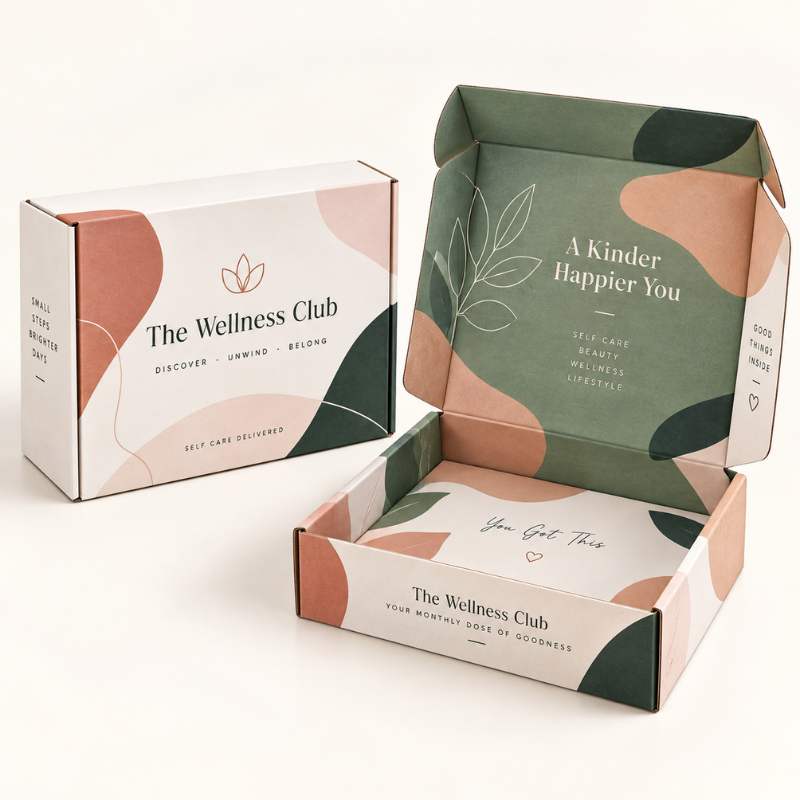
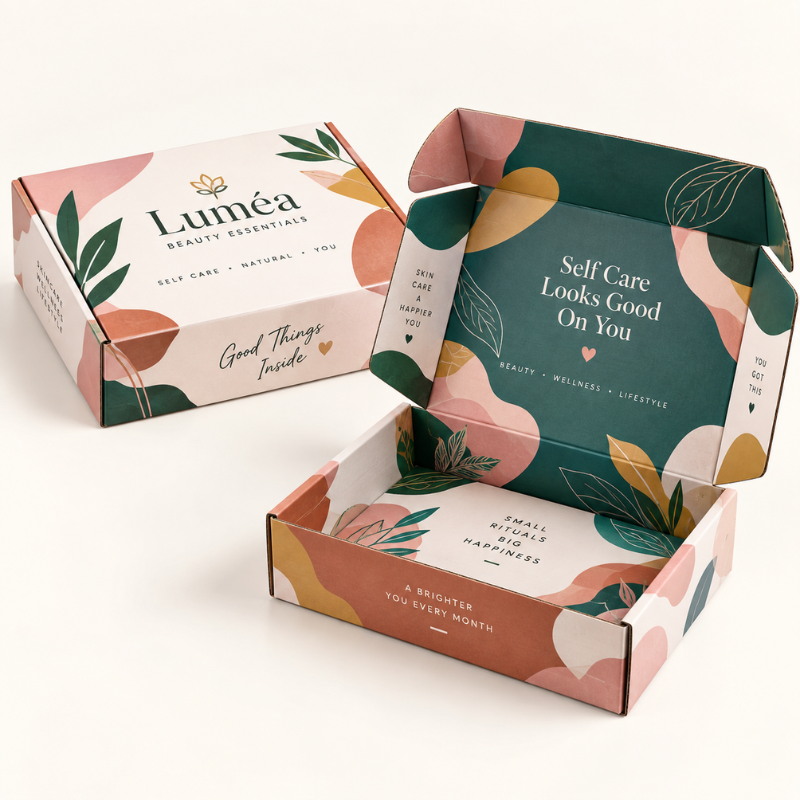
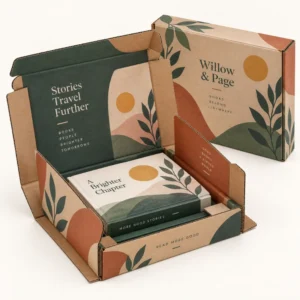
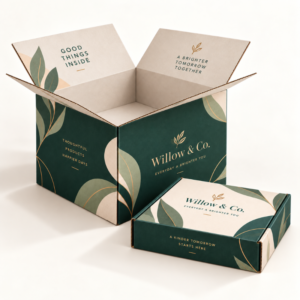
Custom Subscription Boxes are branded packaging made for recurring product deliveries, such as monthly, quarterly or membership orders. UK businesses use them to protect mixed products during post or courier handling while keeping presentation consistent from one shipment to the next. Custom size, print and internal fit help each pack suit the subscription format.
Why Custom Subscription Boxes Matter for Repeat Deliveries
Subscription packaging has to work more than once in a customer’s mind. The contents may change each cycle, but the pack still needs a dependable structure, recognisable branding and an efficient packing process. Therefore, businesses should plan the box around both the product range and the fulfilment routine.
A box that is too large creates unused space and can increase the need for filler. In contrast, a box that is too tight can slow packing or put pressure on products. A sensible internal layout gives changing product combinations enough room while keeping movement under control.
Consistency also matters for repeat orders. When the outer size, artwork zones and closure remain stable, warehouse teams can pack more predictably.
Features That Help Subscription Packaging Work Month After Month
Useful subscription packaging balances transit protection, packing speed and presentation. The structure should support the actual contents rather than rely on decorative details alone.
- Made-to-size dimensions: a closer fit helps control movement and avoids unnecessary empty space inside the pack.
- Mailer-style or shipping construction: corrugated formats can protect recurring orders through courier and postal handling.
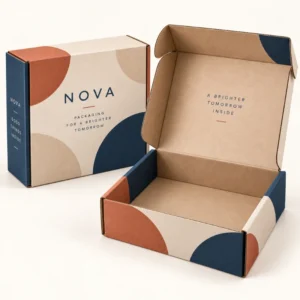
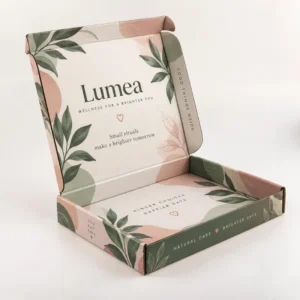
- Inside and outside print: brands can use the exterior for recognition and the interior for product information or campaign messages.
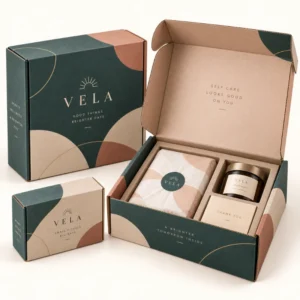
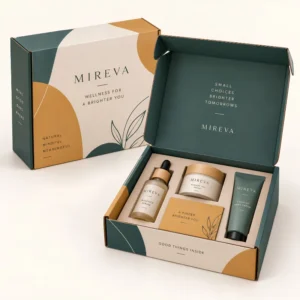
- Inserts and dividers: fitted components can organise several products and keep key items in a consistent position.
- Easy packing and closure: a practical opening style can help fulfilment teams assemble, load and close repeat orders efficiently.
The best combination depends on the subscription. For example, a book club has different protection needs from a mixed skincare set. Therefore, the box structure, board and insert layout should follow the product mix.
Which Materials and Structures Suit Subscription Box Packaging?
Corrugated board often works well for subscription deliveries because its fluted middle layer adds rigidity between the liners. A single-wall construction can suit many routine courier shipments when the product weight and journey remain moderate. Heavier or more demanding packs may need a stronger corrugated grade or double-wall construction.
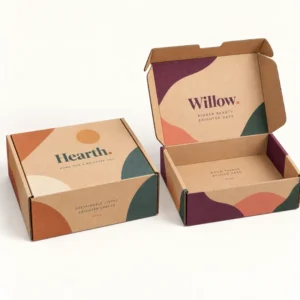
Mailer boxes are a common choice because the hinged lid creates a clear opening experience while the side walls add structure. Regular shipping cases can also work for heavier or less presentation-led subscriptions. Some brands also use folding cartons or rigid presentation boxes inside an outer transit pack.
Flute profile and liner choice affect the finished pack. Finer corrugated profiles can support compact mailer formats and detailed print. Brown kraft-style liners create a natural board appearance, while white liners give colour artwork a cleaner base.
For teams comparing corrugated constructions, the FEFCO Code provides a recognised design reference for common box styles. The material should still match the delivery task first.
Custom Sizes, Inserts and Layout Options
Custom Subscription Boxes work best when the internal space reflects the products that subscribers actually receive. Start with the largest expected product mix, then consider how smaller monthly combinations will sit inside the same format.
A fitted insert can organise bottles, jars, tubes, stationery, samples or other small products. Corrugated dividers can separate multiple items, while die-cut card fitments can hold selected products in position. However, inserts should solve a clear packing or presentation problem rather than fill space for appearance alone.
A closer outer size may reduce unused space, while a consistent footprint can simplify storage and packing. If contents vary substantially from one cycle to another, businesses may need more than one box size.
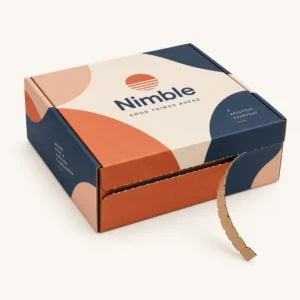
Selected structures can use tear strips, peel-and-seal closures or locking tabs where the design supports them. These features can speed packing or improve opening.
Custom Postal Boxes offers free design support for artwork and structural planning. This helps place logos, copy and graphics around folds, closure areas and visible panels before production starts.
Printing and Finishes for Branded Subscription Boxes
Printed subscription boxes give brands repeated contact with the customer, so artwork should remain clear and practical. The outer panels may carry logos, colours or delivery-facing branding. Meanwhile, the inside can hold instructions, product stories, QR codes or a campaign message.
Digital printing can suit detailed or full-colour artwork on compatible materials. Flexographic printing works well for simpler graphics and spot colours on corrugated board. Lithographic print can also produce detailed graphics before manufacturers laminate the printed sheet to corrugated material.
CMYK supports process colour, while Pantone references can help specify spot colours. However, brown and white liners affect colour appearance differently. Therefore, artwork should account for the chosen board surface from the start.
Finishes such as matt or gloss lamination, varnish, foil, spot UV, embossing or debossing may suit presentation-led designs. Yet recurring delivery packaging does not need every finish.
Products and Subscription Models That Suit This Packaging
Subscription box packaging can support many recurring product models, provided the box matches the contents and delivery conditions. Common examples include beauty and grooming sets, books and stationery, hobby kits, coffee or dry packaged goods, wellness products, craft supplies and mixed lifestyle collections.
A subscription with several small products may benefit from inserts or dividers. By contrast, a book subscription may need a simple, closely sized corrugated mailer. Fragile items need cushioning as well as an appropriate outer box.
Brands that want a hinged presentation format can compare custom mailer boxes. Corrugated boxes provide a wider choice of transit structures, while custom shipping boxes can suit heavier recurring deliveries that need a conventional case.
Therefore, businesses should review product weight, dimensions, fragility and how often the product mix changes before settling on one format.
Why Choose Custom Postal Boxes for Subscription Packaging
Custom Postal Boxes manufactures packaging in-house, which keeps size, board, print and structural requirements close to production. This is useful for recurring programmes because repeat orders can follow the same agreed specification.
Free design support also helps during artwork preparation. The design stage can account for folds, cut lines, inside print and insert positions before manufacturing starts.
After manufacturing, fast and free UK delivery helps move finished packaging into your fulfilment operation. Order requirements still depend on dimensions, quantity, material, print coverage and structural details.
How to Order Custom Subscription Boxes
A clear subscription brief makes quoting and production decisions easier.
- Describe the subscription. Explain what products you send, how often you ship and how much the contents vary between cycles.
- Provide product and box dimensions. Include the space required for inserts, tissue, cards or protective material.
- Confirm quantity. Share the number of boxes you need for the planned production run.
- Choose the structure and board. Match the mailer or shipping format to the packed weight and delivery route.
- Plan the internal layout. Decide whether dividers, pads or fitted inserts will improve organisation and protection.
- Share artwork requirements. Provide logos, colours, inside print and campaign graphics.
- Review the quotation and design. Check dimensions, structure, print position and agreed details.
- Approve production. Manufacturing can then follow the final specification before UK delivery.
Frequently Asked Questions
What are Custom Subscription Boxes?
Custom Subscription Boxes are branded boxes for recurring product deliveries. Businesses can specify the size, board, print and internal layout around the products they send. Corrugated mailer styles are common for courier delivery, although the best structure depends on product weight and fragility.
Which box style works best for a subscription service?
A corrugated mailer often works well because it combines transit protection with a hinged opening. However, heavier subscriptions may suit a conventional shipping case. The best style depends on the product mix, packed weight and delivery method.
Can subscription boxes include custom inserts?
Yes. Inserts can organise several products, limit movement and create a repeatable layout for fulfilment teams. Corrugated dividers and die-cut card fitments suit many product sets. The insert should match the product dimensions and allow enough clearance for packing.
Can I print inside and outside the subscription box?
Yes. Suitable box constructions can support exterior and interior printing. Outside print can carry brand recognition, while inside print can add instructions, product information or campaign content. The available process depends on the board, artwork and quantity.
What material should I choose for postal subscription boxes?
Corrugated board suits many postal and courier subscription packs because its fluted structure adds rigidity. The required grade depends on the weight, size and fragility of the contents. More demanding shipments may need stronger board.
Can I use the same box for different monthly product combinations?
Often, yes, if the product range fits within a sensible shared layout. However, large changes in product size or weight may make a second box size more efficient. Flexible dividers or adaptable inserts can help with moderate monthly variation.
Can you help with artwork for a subscription box?
Yes. Custom Postal Boxes provides free design support to help prepare artwork around the chosen structure. Share your logo, colours, copy and inside-print ideas. The layout can then account for folds, flaps, closure areas and insert positions.
Request a Quote for Custom Subscription Boxes
Share your box dimensions, product mix, quantity, preferred structure and print requirements with Custom Postal Boxes. If the contents change between subscription cycles, explain that variation as well. We can then review the board, internal layout and artwork requirements before production.











Reviews
There are no reviews yet.