Rigid Boxes
Showing all 7 results
-
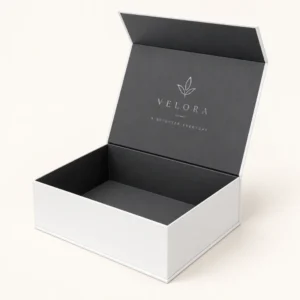
Collapsible Boxes
Get a Quote -
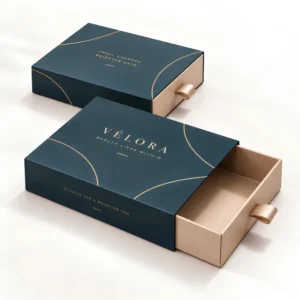
Custom Drawer Boxes
Get a Quote -
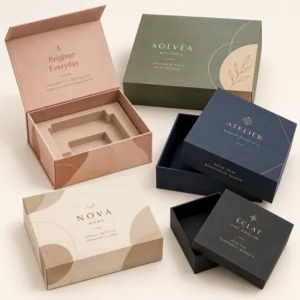
Custom Rigid Boxes
Get a Quote -
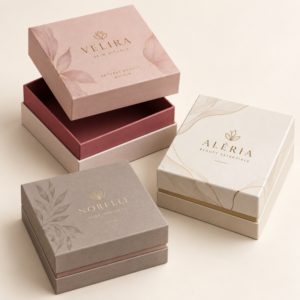
Custom Shoulder Boxes
Get a Quote -
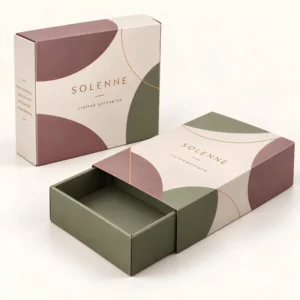
Custom Sleeve Boxes
Get a Quote -
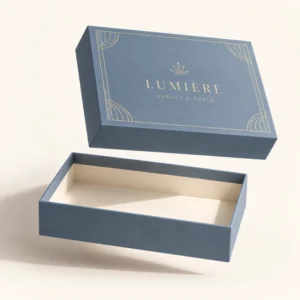
Custom Two Piece Boxes
Get a Quote -
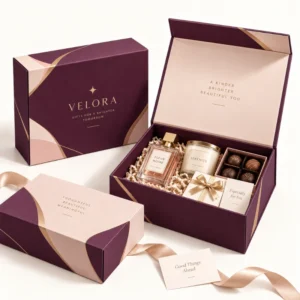
Magnetic Gift Boxes
Get a Quote
Rigid Boxes are made for products that need a solid presentation box rather than a folding carton. This category covers structures such as magnetic closure, lid-and-base, drawer, book-style and collapsible rigid boxes, with options for custom sizing, printed wraps, inserts and decorative finishes. They suit retail, gifting and presentation-led packaging where the box itself forms part of the product experience. Compare opening style, board construction, internal fit and print requirements before choosing the right format for your range.
Compare rigid box styles by opening and presentation
Rigid packaging covers several constructions, and the opening style changes how the pack looks and feels in use. Magnetic closure boxes use a hinged lid with a closing flap, while lid-and-base boxes separate into two pieces. Drawer boxes use an outer sleeve with a sliding inner tray. Book-style designs open from one side like a cover.
Collapsible rigid boxes fold down before assembly, which can help where storage space matters. However, the final choice should depend on the product, dimensions, insert and packing process rather than appearance alone.
For lighter folding-board packs, Cardboard Boxes may be more appropriate. If the main requirement is ecommerce dispatch, Custom Mailer Boxes and Custom Shipping Boxes provide useful alternatives.
Which Rigid Boxes should you choose?
Start with the product itself. Measure its length, width and height, then include any space needed for an insert, protective wrap or accessory. A fragrance set with several items needs a different interior from a single watch, candle or electronic accessory.
Next, consider how the box will be opened. A lift-off lid gives a classic two-piece presentation. A drawer structure creates a sliding reveal, while magnetic and book-style boxes provide a hinged opening. Collapsible formats can also reduce storage volume before packing.
Also think about how the finished pack travels. Rigid presentation boxes are not automatically shipping cartons. If the box will enter a postal or courier network, it may need a suitable protective outer pack. Check the Royal Mail size and weight guide when the finished parcel will travel through that service.
How rigid boxes are constructed
Most traditional rigid boxes use a dense greyboard core that holds its formed shape. The board is cut and assembled into the required structure, then covered with a paper wrap or another compatible covering material. Unlike a folding carton, a conventional rigid box does not rely on thin creased board to create its main walls.
A standard lid-and-base box normally stays assembled, while a collapsible rigid box uses hinged panels so it can fold flat before use. In addition, the wrap can carry printed artwork, solid colour or selected surface textures. Therefore, the board core, wrap and opening style should be specified together.
Custom sizes, inserts and internal layout
Custom sizing matters because rigid packaging often presents the product closely rather than simply containing it. The internal dimensions should allow for the product, insert and any accessories without creating unwanted pressure or excessive movement.
Inserts can organise a set, hold one item centrally or separate components. Dividers can also help with multi-item packs where products need distinct positions. Depending on the style, useful details may include ribbon pulls, finger notches or internal platforms.
Free design support can help organise artwork and panel positions once the structure and dieline are agreed.
Printing and finishes for branded rigid packaging
Custom rigid boxes usually gain their printed appearance from the outer wrap. Digital or lithographic printing can support detailed artwork on suitable papers, while CMYK works for full-colour designs. Pantone spot colours can help where closer brand-colour control matters.
Meanwhile, matt, gloss or soft-touch lamination can change the surface feel. Hot foil can add metallic detail, while embossing or debossing creates a raised or recessed effect. Spot UV can add contrast to selected areas where the chosen material and production method support it.
Not every finish suits every wrap or structure. Therefore, choose the box style and covering material before finalising decorative effects.
Where rigid packaging is commonly used
Rigid Boxes make most sense where presentation, structure and opening experience matter alongside basic containment. Fragrance, jewellery, watches, candles, skincare sets, confectionery gifts, fashion accessories, small electronics and corporate gift packs can all use rigid formats where this construction fits the product positioning.
A compact drawer box may work well for a small accessory, while a larger lid-and-base format can suit a set with several components. Magnetic boxes can work well for presentation packs that open from the front or side.
For routine shipping where presentation is less important, a corrugated format may be more practical. Packaging Materials can help buyers compare broader material families before choosing a final direction.
Why choose Custom Postal Boxes for rigid packaging?
In-house manufacturing helps coordinate dimensions, structure, wrap, print placement and insert requirements within one production brief. This is useful when several parts of the pack need to align accurately.
In addition, free design support can assist with dielines, artwork placement and print preparation. Once the order is complete, fast and free UK delivery supports the final supply stage.
How to request a quotation
- Tell us what product or set the box needs to hold.
- Provide the product dimensions and any required internal clearance.
- Confirm the quantity you need.
- Choose a rigid box style or describe the opening you want.
- Share any preferred wrap colour or material direction.
- Explain the print coverage, colours and branding requirements.
- Add any insert, divider, ribbon or finishing requirements.
- Supply available artwork or brand files.
- Review the quotation and proposed specification.
- Check the proof and approve the artwork.
- Confirm manufacturing and UK delivery.
Frequently asked questions
What are Rigid Boxes?
Rigid Boxes are presentation boxes built around a firm board core rather than thin folding carton board. Most remain formed after production and use a decorative outer wrap. Common formats include lid-and-base, magnetic closure, drawer and book-style boxes. Collapsible rigid structures are the main exception because they can fold down before assembly.
What is the difference between rigid boxes and folding cartons?
Rigid boxes use a thicker, more solid board construction and usually keep their shape when empty. Folding cartons use thinner paperboard that is creased and commonly supplied flat. Therefore, rigid packaging suits presentation-led packs, while folding cartons often suit lighter retail products where flat storage and quick assembly matter more.
Can Rigid Boxes be made to custom sizes?
Yes. The box can be developed around the required internal dimensions, product layout and chosen structure. Include the dimensions of any insert, accessories or wrapped components before finalising the specification. A close fit can improve presentation, but enough clearance must remain for practical packing and easy product removal.
Can rigid boxes include custom inserts?
Yes, where the chosen structure supports them. Inserts can centre one product, separate several components or create a stepped presentation. The insert material and layout should match the product weight, shape and desired appearance. Because inserts occupy internal space, plan them before approving the final box dimensions.
Can rigid boxes be printed inside and outside?
Yes, depending on the construction and wrap specification. Exterior wraps can carry logos, patterns and full artwork, while selected internal surfaces can also use printed or coloured papers. Discuss inside printing early because it may affect the materials, artwork setup and production method used for the finished box.
Which rigid box style is best for gift packaging?
The best style depends on the product and opening experience. Lid-and-base boxes give a classic lift-off reveal, drawer boxes create a sliding presentation, and magnetic formats provide a hinged opening. Where storage space matters, a collapsible rigid format may also be worth considering.
Browse Rigid Boxes or request a quote
Browse Rigid Boxes to compare structures, then send your product dimensions, quantity, preferred opening style and artwork requirements for a quotation. If you are unsure which format suits the product, start with the internal fit and how you want the customer to open the pack. The structure, insert and finish can then follow that brief.