
postage box sizes
Showing the single result
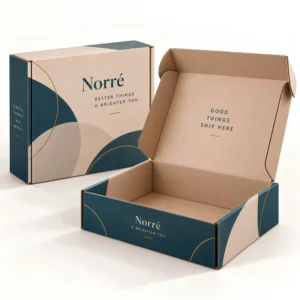
postage box sizes are the internal and external dimensions of a postal box matched to the size and weight bands a carrier uses to price a parcel. Understanding postage box sizes helps UK sellers choose the smallest box that protects the product, so they avoid paying for a larger band than the order needs.
Size affects postage more than many new sellers expect. A box that is a few millimetres too deep can move a flat order from large letter into small parcel pricing, and a box far larger than the product wastes board, filler and storage space. Custom Postal Boxes, a project of Vertex Packaging in Wolverhampton, makes custom printed postal boxes in house in the sizes UK businesses actually post.
The main postage box sizes and Royal Mail bands
Royal Mail prices UK post by format as well as weight. A letter can be up to 240 mm by 165 mm by 5 mm and 100 grams. A large letter can be up to 353 mm by 250 mm by 25 mm and 750 grams on standard services. A small parcel can be up to 450 mm by 350 mm by 160 mm and 2 kg, and a medium parcel up to 610 mm by 460 mm by 460 mm and 20 kg. Always confirm the service you use on the Royal Mail size and service guidance, because tracked services can set different weight limits.
Internal and external measurements
Box sizes are usually quoted as internal length by width by height, which is the space your product can use. Postage is judged on the external size of the closed parcel, including board thickness, tape and any label or wrap that adds bulk.
Why depth is the measurement to watch
Length and width are easy to picture against a sheet of paper, but depth decides letterbox fit and large letter eligibility. Measure the closed box at its deepest point, including any bulge in the lid, because a parcel that bows upward is measured as it travels and not as it was designed.
Matching common products to a size band
Cards, prints and slim books belong in large letter sizes such as A5 and C4 formats. Clothing, boxed cosmetics and small electronics usually belong in small parcel sizes. Larger gift sets, footwear and multi item orders often need medium parcel room. Browse postal boxes by size to see how the range is grouped.
Choosing postage box sizes for your own products
Measure the product as it will be packed, with its wrap or inner box, then add a small clearance for board and cushioning. Choose the closest box above that total rather than the closest box to the bare product. Our A5 postal boxes suit smaller flat items, while small postage boxes cover everyday small parcel orders.
When a custom size saves money
If your best selling product falls between two stock sizes, a custom size can reduce filler, improve protection and sometimes keep the parcel in a lower postage band across hundreds of orders. That saving repeats, while the cost of a poor fit repeats too, in returns and damaged goods as well as postage. Sellers of flat goods should also compare large letter postal boxes and letterbox postal boxes before settling.
Weight matters alongside size. Weigh a fully packed sample box, because board, wrap and inserts all count toward the band limit. Keep a simple sizing chart at the packing bench listing each product, its box and its packed weight, so staff choose correctly during busy periods without measuring from scratch.
Getting help with sizes and quotes
If you are unsure which band your product belongs in, send its packed dimensions and weight when you contact the team for sizing advice and a quote. Pricing for custom boxes depends on size, material and quantity, and low minimum order quantities let you trial a size before rolling it out across a range. Free design support and free UK delivery are included.
Review your sizes whenever a product, its inner packaging or your carrier changes. A box chosen two years ago may no longer be the closest fit, and a short review of your top sellers often finds one size that can be tightened for a clear saving.
FAQs about postage box sizes
How do I measure a postage box correctly?
Measure the internal length, width and height in millimetres for product fit, then measure the closed parcel externally for postage. Include wrap and cushioning in the product total and check the deepest point of the closed box, including any bulge.
What is the largest box I can send as a large letter?
A large letter can be up to 353 mm long, 250 mm wide and 25 mm deep, with a weight limit that depends on the service. The box, contents and wrap together must stay inside every one of those limits at the same time.
Why did my parcel cost more than I expected?
The usual causes are depth or weight pushing the parcel into the next band, or a box much larger than the product. Weigh and measure one fully packed sample for each product and record the result at the packing bench.
Is a custom box size worth it for a small shop?
It can be, where one product sells in volume and sits between stock sizes. A closer fit cuts filler and damage and may hold a lower postage band, and low minimum quantities make a trial run practical.