

Description
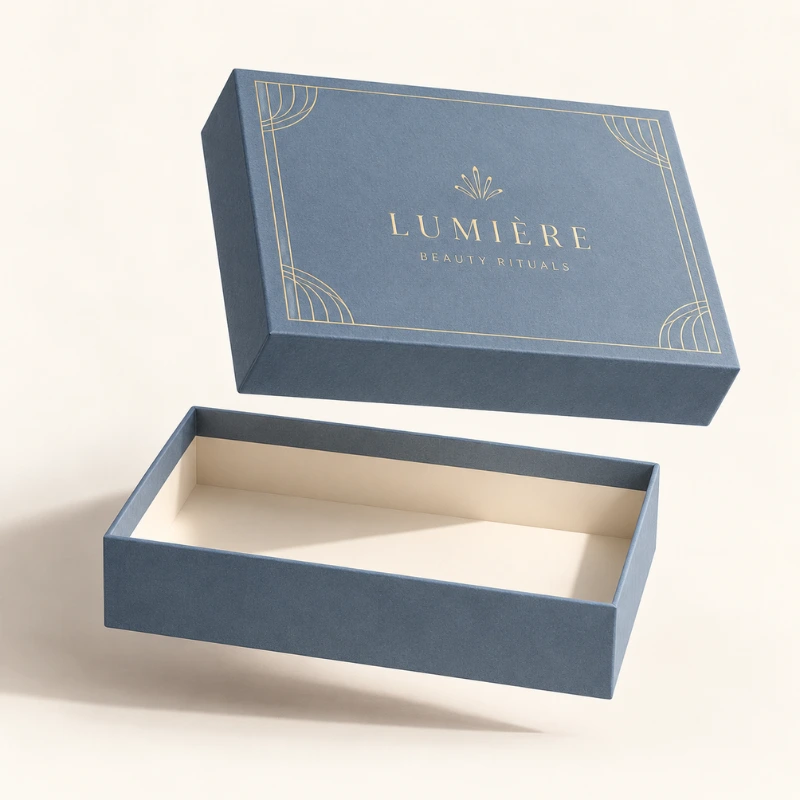
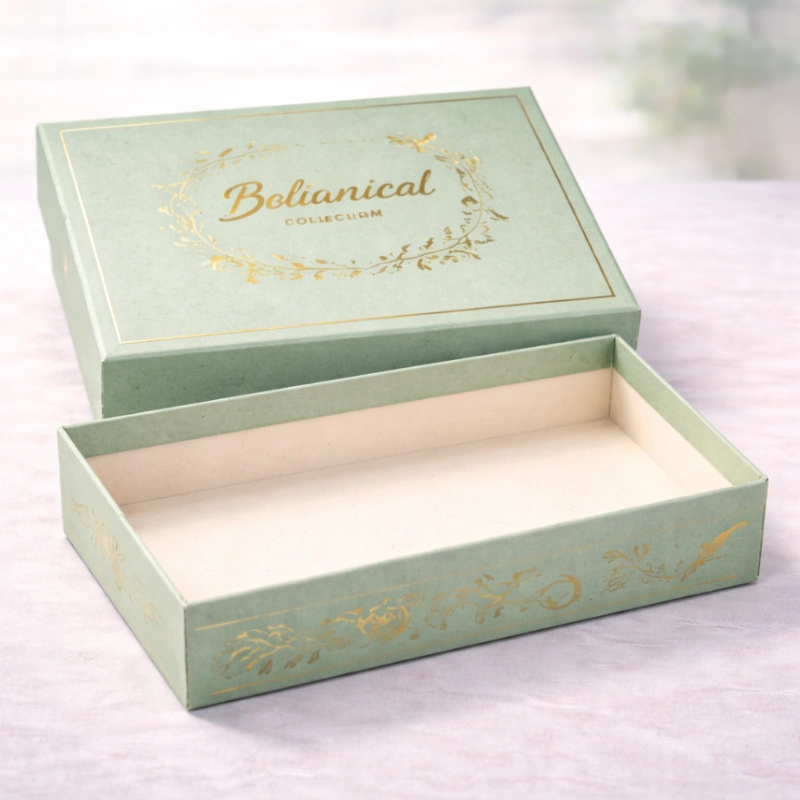
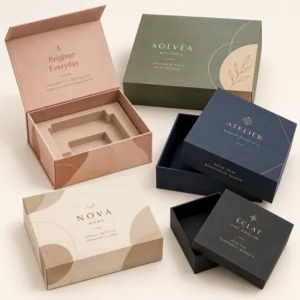
Custom Two Piece Boxes use a separate lid and base to create a clean lift-off opening for retail, gifting and product presentation. UK businesses can specify the dimensions, board construction, printed wrap, finishes and internal fit around the product. The format suits brands that want a structured box with straightforward access and a clear area for branding.
Why Custom Two Piece Boxes Work for Product Presentation
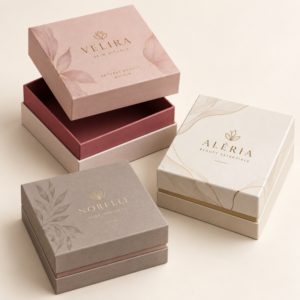
The separate lid and base give this format a simple opening sequence. The customer lifts the lid away from the lower tray, so the product appears without a hinged panel covering the view. As a result, the structure works well when presentation matters at the point of opening.
A properly sized lid also helps the box feel controlled in use. It should slide over the base without excessive looseness, while the lower tray needs enough room for the product and any insert. Therefore, accurate dimensions matter.
Businesses can also choose how much of the base the lid covers. A full-depth lid creates a more enclosed look, while a shallower lid leaves more of the lower tray visible. However, the exact proportions should follow the product and desired opening feel.
Practical Features That Support the Two-Piece Format
Custom Two Piece Boxes can combine a simple structure with several useful packaging functions:
- Separate lid and base: the detachable top gives the box its defining lift-off opening and provides a large surface for branding.
- Controlled lid fit: well-planned dimensions help the lid sit securely while remaining practical to remove.
- Firm presentation: rigid-board versions hold their shape and suit products that benefit from a structured pack.
- Custom internal fit: dimensions can follow the product instead of forcing it into a stock size.
- Optional inserts: fitted components can position one item or organise a set inside the base.
- Wide print area: the lid, base wrap and selected inner surfaces can carry logos, colour and product information.
These features should support the product rather than add complexity. For example, a jewellery set may benefit from a fitted insert, while folded clothing may only need tissue and a well-proportioned base.
Which Materials Suit Two Piece Boxes?
Two-piece packaging describes the construction, not one material. For presentation-led projects, rigid greyboard wrapped with printed or coloured paper is a common choice. The board provides the main shape, while the wrap creates the visible surface.
Lighter retail products can also use folding paperboard lid-and-base constructions. In addition, some transport-led applications can use corrugated board. The correct material therefore depends on product weight, required rigidity, print expectations and how the box will travel.
Rigid versions usually arrive as set-up boxes rather than folding cartons. Their firm walls suit gift sets, cosmetics, accessories and other products that need a defined presentation shape. However, a rigid presentation box should not automatically replace protective transit packaging for courier delivery.
Custom Sizes, Lid Depths and Inserts
Custom sizing matters because both parts must work together. The base needs enough room for the contents, while the lid needs the right clearance to fit over it. A tight lid can make opening awkward, while too much clearance can make the box feel loose.
Useful options include:
- full-depth or partial-depth lift-off lids;
- square or rectangular formats;
- fitted card, corrugated or foam inserts where appropriate;
- internal platforms or compartments for product sets;
- contrasting lid and base colours;
- printed inner surfaces for suitable constructions.
The insert should follow the actual product dimensions. For multi-item sets, each cavity should keep the layout organised without making removal difficult. In addition, the insert depth should support the presentation level required when the lid comes off.
A shoulder or neck box is a related variation. In that format, an inner shoulder rises between the base and lid. Businesses that want the classic two-piece look may prefer a straightforward lid-and-base structure instead.
Printing and Finishing for Lid-and-Base Boxes
The broad lid surface gives designers useful space for a logo, pattern or product name. On wrapped rigid boxes, manufacturers normally print the outer paper before applying it to the board. This allows detailed graphics without printing directly onto the thick greyboard core.
Lithographic or offset printing can suit detailed wrapped-paper artwork. Digital printing may work for compatible specifications and production runs. CMYK handles process-colour designs, while Pantone references can help define selected spot colours.
Finishes can change both appearance and handling. Matt lamination can reduce surface shine, while gloss lamination gives a more reflective finish. Soft-touch lamination changes the tactile feel. Hot foil can highlight a logo, while embossing or debossing can add raised or recessed detail.
However, finishing should remain proportionate to the product. Free design support from Custom Postal Boxes can help organise artwork around lid edges, wrap folds and visible panels before production.
Products and Sectors That Suit Two-Piece Packaging
Custom Two Piece Boxes work well where presentation, product fit and a lift-off opening matter. Relevant uses include:
- jewellery, watches and accessories;
- candles, fragrance and beauty sets;
- confectionery or gift assortments with suitable inner packaging;
- clothing, scarves and small fashion items;
- corporate gifts and promotional sets;
- stationery, keepsakes and selected retail products.
The structure also works for multi-item sets when an insert keeps each component in position. For example, a candle and accessory set can use separate cavities so the products stay organised after the customer removes the lid.
Businesses comparing related presentation formats can also review rigid boxes with other opening structures before choosing a final style.
For heavier or fragile items, the box needs more than presentation. A suitable insert can reduce movement, while an outer shipping carton can protect the presentation box during courier handling. Royal Mail packaging guidance also recommends robust outer packaging and internal protection for fragile parcels.
Why Choose Custom Postal Boxes for Two Piece Boxes?
Custom Postal Boxes manufactures packaging in-house, which keeps the agreed size, lid fit, board choice and print specification close to production. This matters because small dimensional changes can affect how smoothly the lid fits over the base.
Free design support helps translate branding onto the actual dieline or wrap layout. Designers can account for lid edges, wrap turns, insert openings and visible panels before production.
Fast and free UK delivery then helps move completed packaging into your packing or retail operation. The final production route still depends on quantity, dimensions, material, print coverage, finishes and insert requirements.
How to Order Custom Two Piece Boxes
A clear brief helps define both the appearance and the lid fit:
- Describe the product. Share its dimensions, weight, fragility and how customers will use the box.
- Confirm the internal size. Allow for tissue, inserts or other components inside the base.
- Provide the quantity. This helps determine a suitable manufacturing and print route.
- Choose the construction. Confirm whether you need rigid board, folding paperboard or another suitable material.
- Decide the lid depth. Choose a full-depth or partial-depth look according to the required presentation.
- Plan the insert. Provide exact product dimensions if the box needs cavities, compartments or a platform.
- Supply artwork. Share logos, colours, patterns and any inside-print requirements.
- Review the quotation and layout. Check size, lid fit, artwork and finishes before approval.
- Approve production. Manufacturing can then follow the agreed specification before UK delivery.
Frequently Asked Questions
What are Custom Two Piece Boxes?
Custom Two Piece Boxes have two separate components: a base that holds the product and a detachable lid that fits over it. Many presentation versions use wrapped rigid board, although folding paperboard and corrugated formats can also use a lid-and-base construction. The best material depends on the product and purpose.
Are two piece boxes the same as rigid boxes?
Not always. Two piece describes the separate lid-and-base structure, while rigid describes a material and construction type. Many two-piece gift boxes use rigid greyboard, so the terms often appear together. However, manufacturers can also make lighter two-piece cartons from folding paperboard.
Can I choose how deep the lid is?
Yes. The lid can cover most or all of the base, or it can use a shallower depth that leaves part of the tray visible. The right proportion depends on the product, visual style and box dimensions. Accurate tolerances also help the lid remove smoothly.
Can Custom Two Piece Boxes include inserts?
Yes. Inserts can hold one product, separate several items or create a planned display when the customer lifts the lid. Card, corrugated and foam options may suit different products. The insert material and cavity shape should follow the item’s weight, dimensions and protection needs.
Can the lid and base use different colours or artwork?
Yes. The lid and base can use coordinated or contrasting wraps where the construction supports them. Brands can also add logos, patterns or product information to selected surfaces. Free design support can help align artwork with lid edges and insert positions.
Which finishes work well on two-piece rigid boxes?
Matt or gloss lamination, soft-touch lamination, hot foil, spot UV, embossing and debossing can suit many wrapped rigid-box projects. The best choice depends on the wrap material and artwork. A finish should support the design without interfering with structural areas.
Are two-piece boxes suitable for ecommerce shipping?
They can form part of an ecommerce pack, but presentation-focused rigid boxes may need an outer shipping carton for courier delivery. Heavy or fragile contents also need suitable internal protection. The shipping pack should match the product, presentation box and expected handling conditions.
Request a Quote for Custom Two Piece Boxes
Send Custom Postal Boxes your product dimensions, quantity, preferred material, lid depth, print requirements and insert details. If the box will also travel through a courier network, include that requirement. We can then review the structure, fit and artwork before production.











Reviews
There are no reviews yet.