
Description
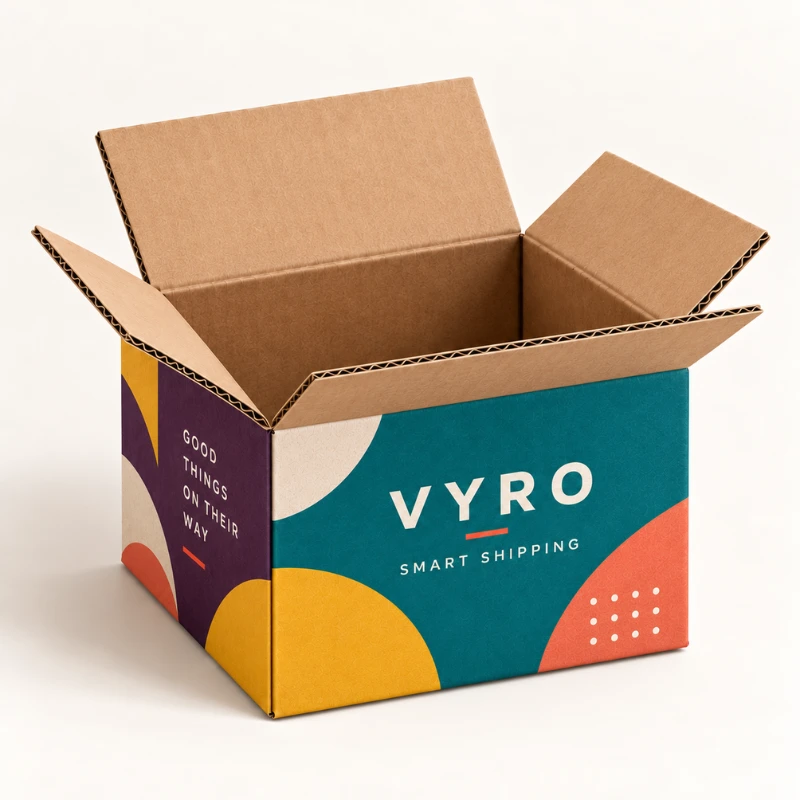
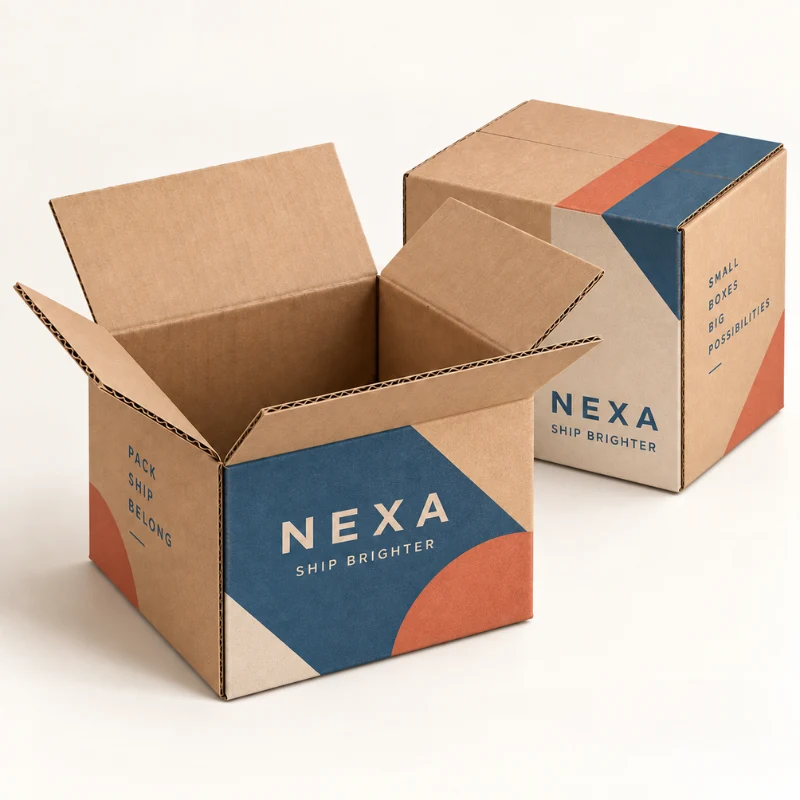
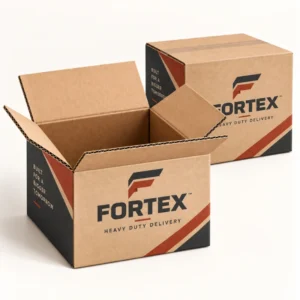
Small Shipping Boxes are compact transit cartons for sending smaller products without the wasted space of an oversized parcel. They suit UK ecommerce, retail and fulfilment teams that need practical protection, tidy packing and room for branded print. A well-sized box can also reduce product movement and the amount of void fill needed inside.
Why Small Shipping Boxes Matter for UK Businesses
Small products become harder to pack efficiently when the outer carton is much larger than the item. Extra space often needs paper, air pillows or other cushioning. In addition, loose contents can move more during handling. Right-sized packaging gives packers a more controlled fit and keeps the parcel easier to organise.
Size also matters because UK carriers apply their own weight and dimension limits. Therefore, businesses should choose a box around the packed product, then check the finished parcel against the selected delivery service. Royal Mail, for example, publishes current parcel size limits for its services.
For ecommerce operations, smaller cartons can also improve packing efficiency. Staff handle less excess board and use less unnecessary filler. However, the box still needs enough strength for the product, journey and stacking conditions.
Practical Features That Make Small Boxes Easier to Ship
Useful Small Shipping Boxes combine a compact footprint with a structure suited to the actual distribution task.
- Made-to-size dimensions: a closer fit can reduce internal movement and avoid sending a small item in a needlessly large carton.
- Corrugated construction: fluting between liner papers adds stiffness and cushioning while keeping the pack relatively light.
- Flat-packed supply: many shipping case styles store flat before use, reducing packaging storage space.
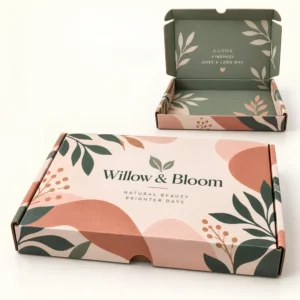
- Choice of closures: taped slotted cartons suit straightforward dispatch, while selected die-cut mailers can use tuck or locking closures.
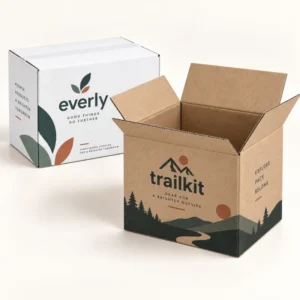
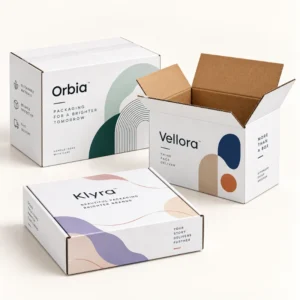
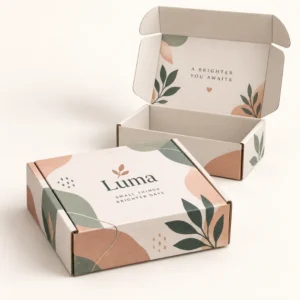
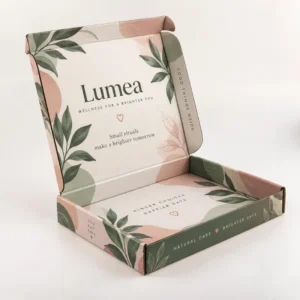
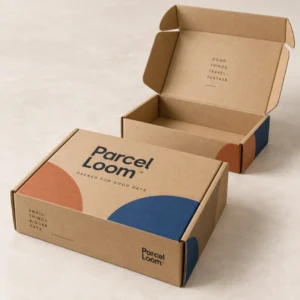
- Printable panels: logos, handling information and campaign artwork can turn a transit carton into branded shipping packaging.
The structure should follow the contents. For example, a light textile may need a different board grade from a dense metal component of the same size. As a result, dimensions alone do not determine the right box.
Which Board and Construction Should You Choose?
Corrugated board is widely used for shipping because the fluted paper medium adds rigidity between the liners. FEFCO classifies common corrugated packaging styles, including slotted cases, folder boxes and ecommerce formats. This gives buyers and manufacturers a shared construction reference.
Single wall board can suit many lighter or moderately demanding shipments. By contrast, double wall construction can provide more resistance where weight, stacking or handling conditions require it. The best choice depends on the complete pack rather than one fixed weight rule.
Flute profile also affects the finished box. Finer flutes can give a slimmer board and smoother print surface, while deeper profiles offer different cushioning and stiffness. Therefore, contents and distribution conditions should guide the specification.
Brown kraft-style liners create a natural corrugated appearance, while white outer liners can give printed graphics a cleaner base. If presentation matters, choose the liner and print method together.
Custom Sizes, Closures and Internal Fit
Custom sizing matters for small products because a few unnecessary centimetres can add significant empty space. Start with the product dimensions, then allow enough clearance for loading, protective material and any insert.
Regular slotted cartons work well for simple tape closure. Die-cut mailer formats can create a more controlled opening, while selected designs may include locking tabs or self-seal features. These options depend on the structure, so each feature should solve a genuine packing need.
Internal fitments can help when several small items travel together. Corrugated dividers separate components, while die-cut inserts can hold products in position. In addition, a fitted insert may control movement more effectively than loose filler.
Custom Postal Boxes provides free design support where artwork or layout needs checking before production. This can help position logos, text and graphics around folds, flaps and cut lines.
Printing and Finishing for Branded Shipping Boxes
Small shipping packaging gives brands useful print space. Straightforward exterior branding often works well because shipping labels, tape and handling marks still need room.
Flexographic printing can suit simple logos, text and limited-colour graphics on corrugated board. Digital printing can support detailed or full-colour work on suitable board and order formats. Lithographic printing may also suit higher-detail graphics when a printed sheet is laminated to corrugated material.
CMYK works for full-colour artwork, while Pantone references can help specify spot colours. However, brown and white liners produce different visual results. Therefore, artwork should be reviewed on the intended substrate before approval.
Varnish or lamination may suit selected presentation-led constructions. Foil, spot UV, embossing or debossing can also work on certain builds, although basic transit cartons rarely need extensive decoration.
Where Small Shipping Boxes Are Most Useful
Compact shipping cartons can serve many products when the board and internal protection match the contents. Common applications include:
- clothing accessories, small textiles and packaged fashion items;
- books, stationery, printed materials and boxed gifts;
- small homeware products and packaged retail goods;
- hardware components, spare parts and trade samples;
- subscription items or compact multi-item ecommerce orders;
- protected electronics accessories with suitable cushioning or inserts.
These products vary in weight and fragility. Consequently, a small carton is not automatically light duty. Dense or fragile items may need stronger board or more internal protection.
Businesses comparing shipping formats can also review custom shipping boxes for broader structural choices. Corrugated boxes suit many transit applications, while custom mailer boxes can work where the opening experience matters more.
Why Choose Custom Postal Boxes for Small Shipping Packaging
In-house manufacturing keeps the agreed size, material, structure and print specification connected directly with production. That matters when a compact box needs a close fit, because small dimensional changes can affect how the product sits inside.
Free design support can also help prepare artwork around the actual dieline. As a result, branding can follow visible panels, folds and closures more accurately before manufacturing begins.
After production, fast and free UK delivery helps move finished packaging into your packing operation without a separate standard UK delivery charge. Production requirements still depend on the specification, quantity and artwork.
How to Order Small Shipping Boxes
A clear brief makes quotation and production decisions easier:
- Describe the product. Include what you are shipping, its packed weight, fragility and any handling concerns.
- Provide internal dimensions. Share the required length, width and depth, including space for cushioning or inserts.
- Confirm quantity. This helps determine the suitable production and print route.
- Choose the structure. Discuss a slotted carton, die-cut mailer or another appropriate format.
- Set the board requirement. Choose the corrugated construction and liner appearance for the job.
- Share print details. Provide artwork, colours, print coverage and any finish requirements.
- Review the quotation and artwork. Check dimensions, specification and artwork position before approval.
- Approve production. Manufacturing can then follow the agreed specification before UK delivery.
Frequently Asked Questions
What are Small Shipping Boxes?
Small Shipping Boxes are compact outer cartons for courier or fulfilment networks. They commonly use corrugated board because its fluted construction adds stiffness without excessive weight. The correct size, board grade and closure depend on the product and delivery conditions.
Are small shipping boxes suitable for ecommerce?
Yes. They suit many ecommerce orders where the products have a compact footprint and do not need an oversized carton. Right-sizing can reduce empty space and limit movement. However, fragile items may still need an insert, divider or cushioning, while heavier products may need stronger corrugated board.
Should I choose single wall or double wall board?
Choose according to product weight, fragility, stacking conditions and handling. Single wall board can work well for many routine shipments. Double wall adds another fluted layer and can suit more demanding loads. There is no universal cut-off, so the finished pack should drive the decision.
Can small shipping boxes be made to custom dimensions?
Yes. Custom dimensions can be produced around the product and its protective material. A closer fit can improve presentation and reduce wasted internal space. For an accurate quotation, provide the required internal length, width and depth rather than estimating from the product alone.
Can I print my logo on the boxes?
Yes. Logos, text, handling marks and other artwork can be printed on suitable shipping boxes. The best process depends on the board, quantity, colour requirements and detail level. Free design support can also help position artwork around folds, joins and visible panels.
Can inserts or dividers be added?
Yes, where the structure and product require them. Corrugated dividers can separate several items, while die-cut inserts can hold individual products in position. Inserts work best when they solve a clear movement, organisation or protection problem rather than simply filling space.
Will a smaller shipping box reduce postage costs?
It can help, but there is no automatic saving. Carriers price services using their own combinations of parcel dimensions, weight and service level. Therefore, measure the finished packed box and compare it with the carrier’s current limits before choosing a format solely for postage.
Request a Quote for Small Shipping Boxes
Send your required dimensions, quantity, product details and print requirements for a quotation. If you are unsure about the board or structure, explain how the parcel will be packed and shipped so the specification can be reviewed before production.











Reviews
There are no reviews yet.